

Recent Activity
March — Issue #22
March — Issue #21

January — Issue #15

A New Hampshire mother teaches her daughter to abandon competitive skiing rather than reorganize their lives around climate change's impossible financial demands.
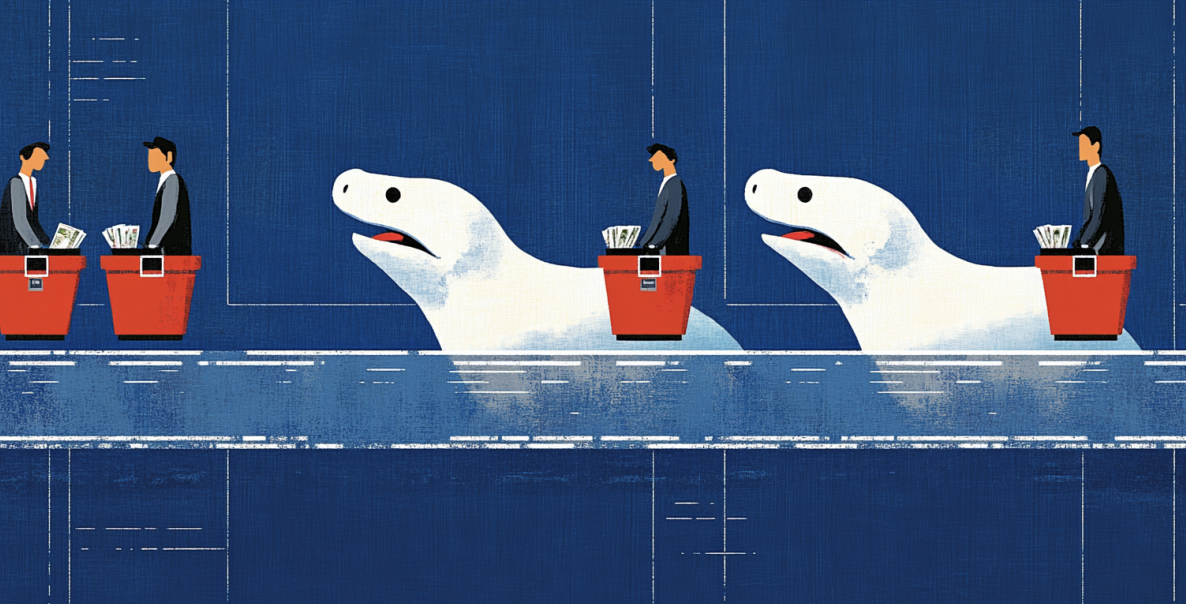
A Vermont family spends thousands chasing reliable snow north while watching competitive skiing become accessible only to those who can afford the chase.


December — Issue #11
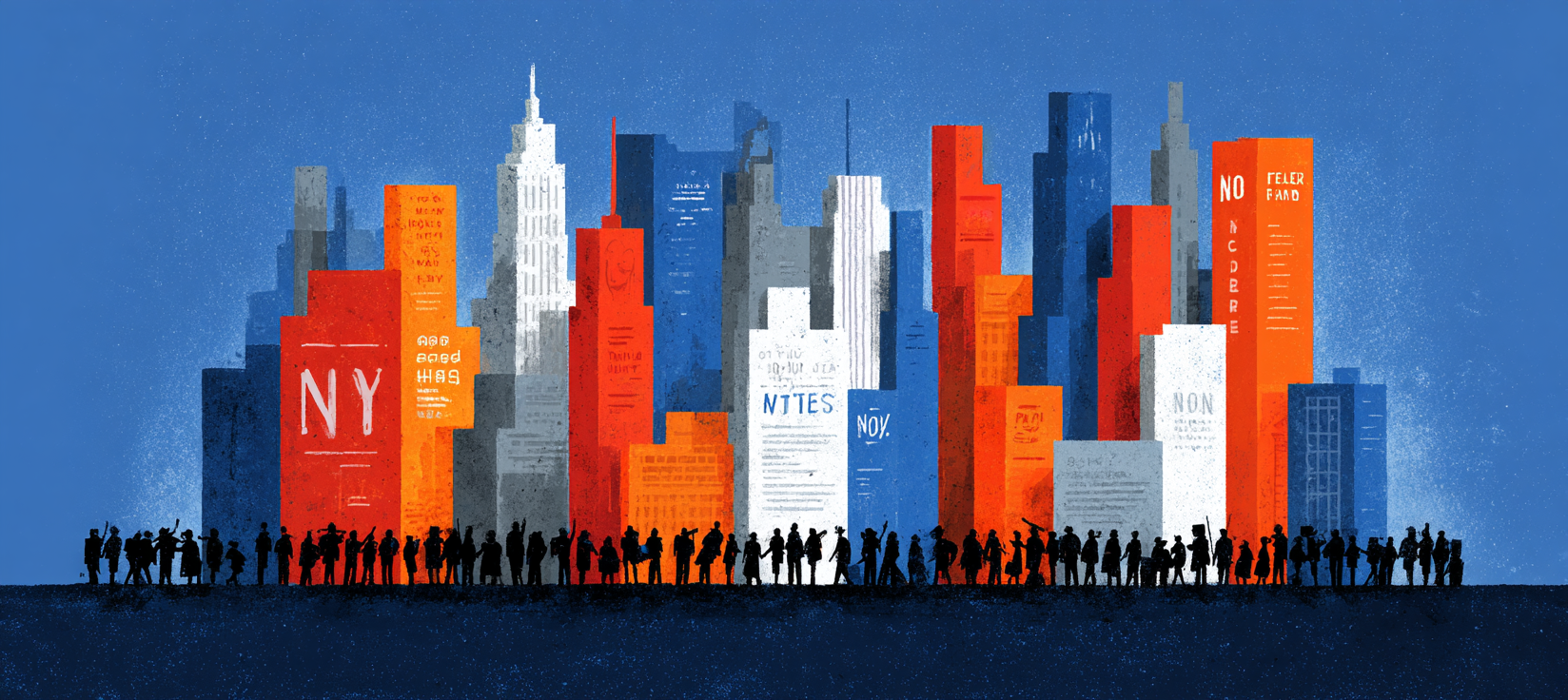
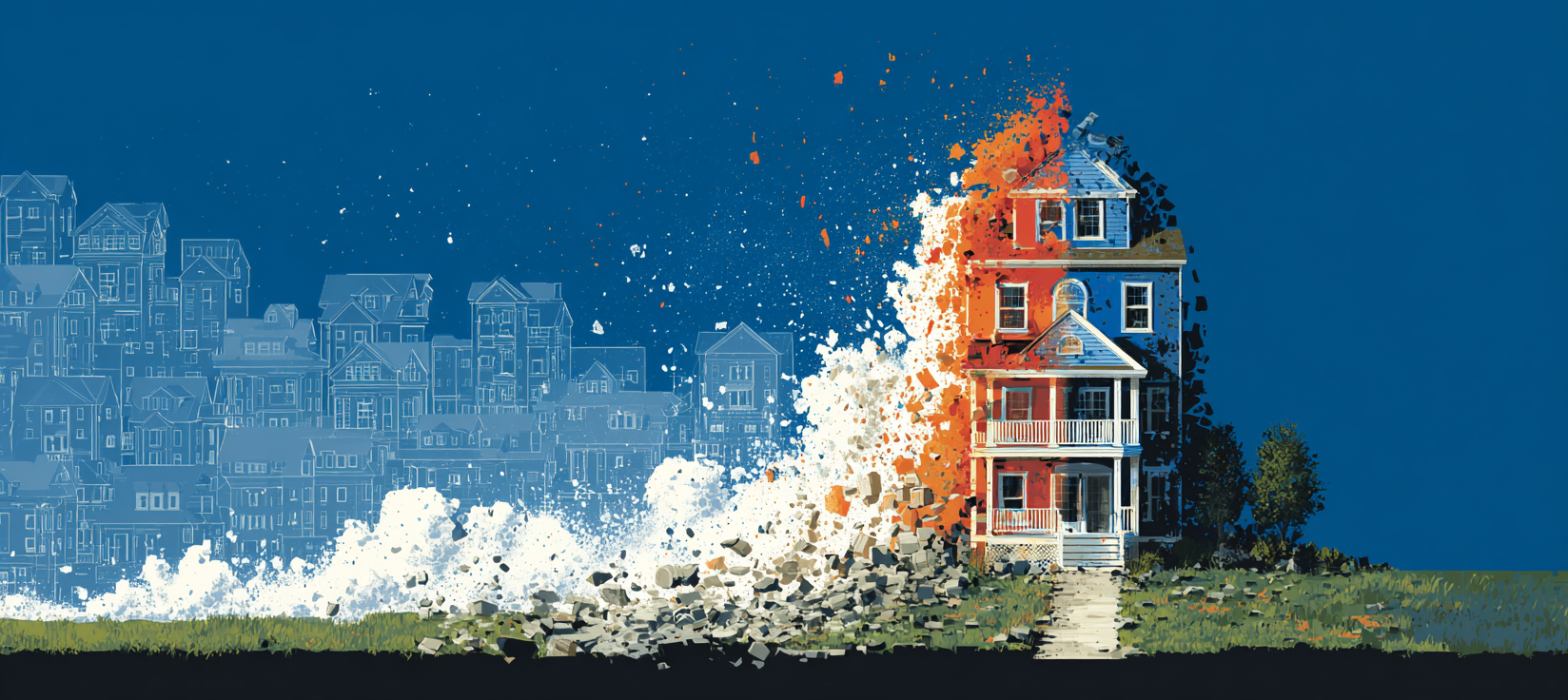
Duluth's housing crisis reveals climate adaptation's unglamorous truth: cities become refuges through reactive scrambling, not coordinated planning, discovering their limits only when migrants arrive.
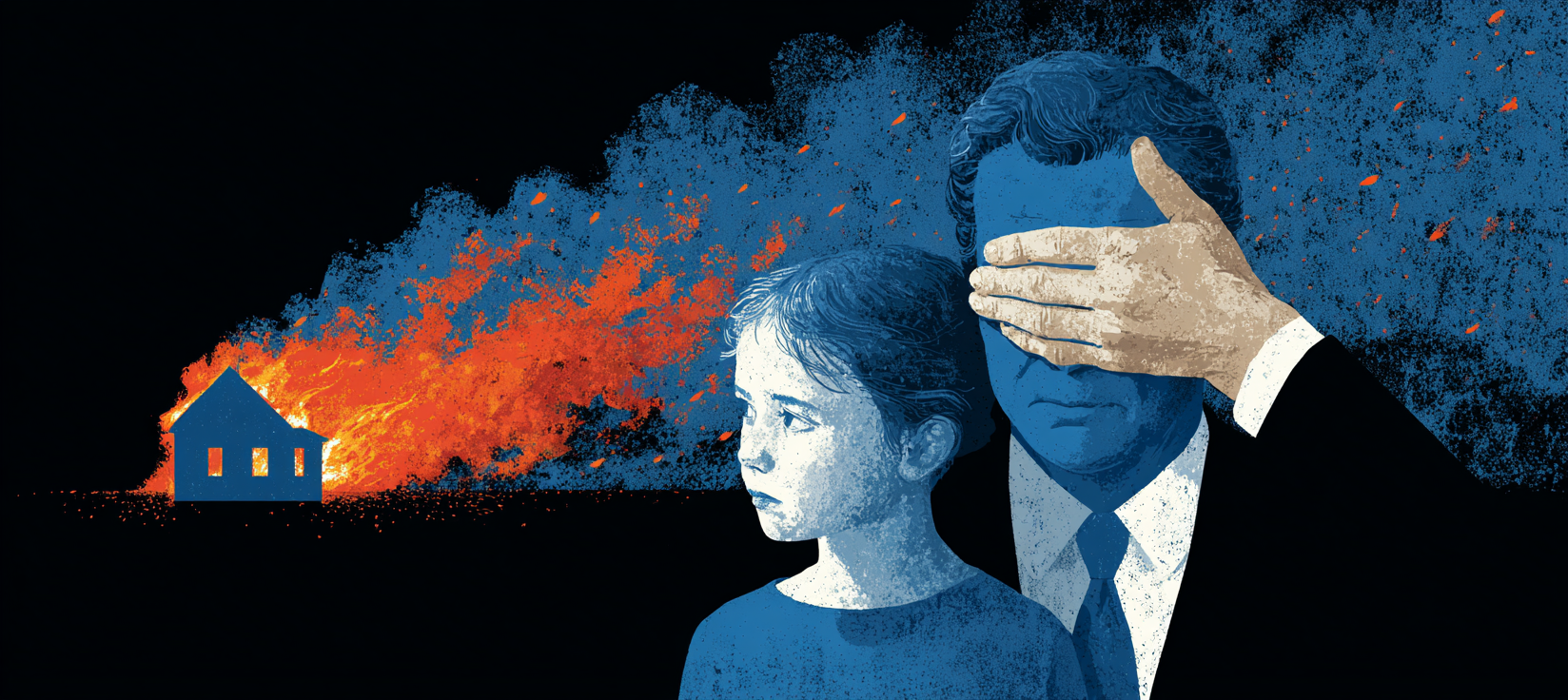
Parents keep postponing "the climate talk" with kids who are already living through climate disasters, teaching them that their fear doesn't matter.
December — Issue #9

Managing your own power means accepting responsibility for every failure instead of waiting for someone else to fix it.
Betting thirty-four thousand dollars that a failing grid will be there when batteries run out feels like hedging or rationalization.
December — Issue #8

A narrator discovers they're running risk calculations for indoor concerts in buildings with roofs, documenting how climate anxiety has mutated entertainment itself into a weather-hedging exercise.

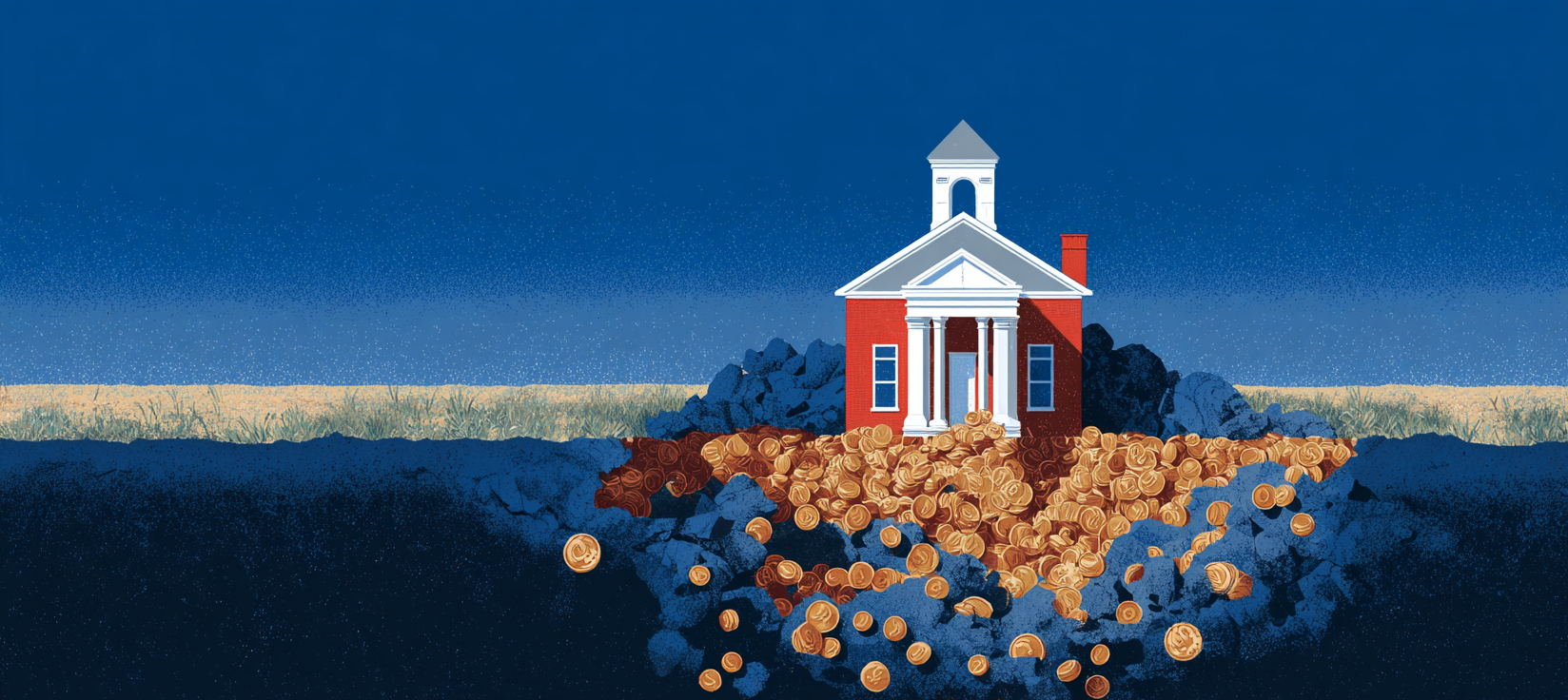
An Indiana mayor said no to development that didn't serve residents. Construction started anyway. What leverage actually means as a climate refuge.

A Wisconsin city bets its climate advantage on proving it can handle growth—but what if the proof consumes the resource?
November — Issue #7
She traded guiding for coding before the mountains made the choice for her, but still wonders if leaving early meant giving up too soon.

A backcountry guide watches his season shrink and questions whether staying means commitment or just refusing to imagine who else he could be.

Relaxing preservation standards to save money means accepting irreversible damage that betrays museums' fundamental responsibility to future generations.

November — Issue #6

A deadpan dispatch from corporate America's funeral for climate transparency, where sustainability directors network over how to keep doing climate work while systematically erasing all public evidence they're doing it.
Cooling centers sit empty while people die at home because trust matters more than infrastructure when temperatures spike.
Centralized heat infrastructure could save lives institutions never reach, if we'd actually build it instead of romanticizing informal networks.
November — Issue #5
A sustainability professional chronicles six years of watching corporate climate promises quietly die through increasingly sophisticated ceremonies of retreat disguised as maturation.
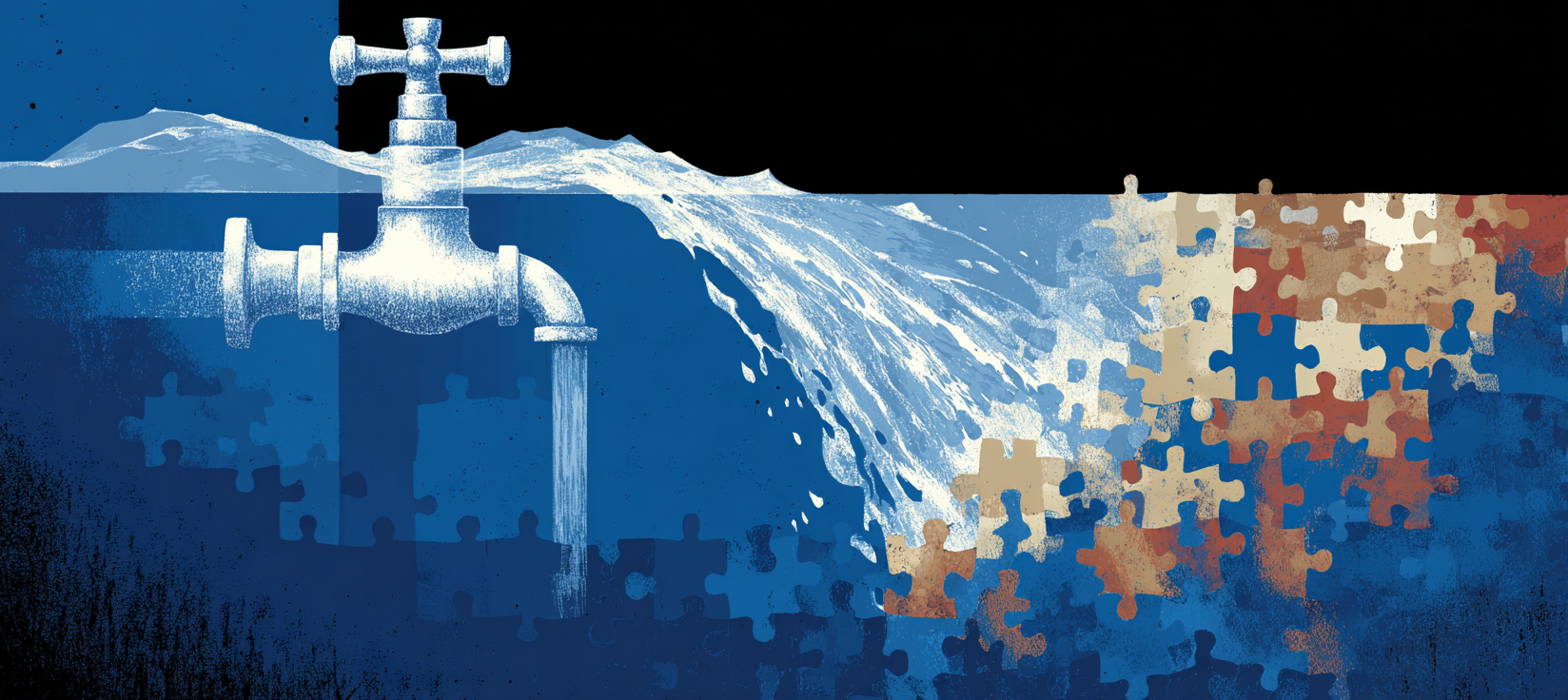
Examining why voluntary water sharing collapsed next door reveals uncomfortable questions about whose needs count when fairness requires knowing your neighbors.
A Phoenix neighborhood shares water through trust and spreadsheets, discovering mutual aid's beauty and impossible weight as scarcity deepens.