

Sixteen Years, Twenty Days


A Dutch hydraulic engineer spent sixteen years filing reports that the dikes would fail. He chose the pen name "Dr. Cassandra" himself — he understood his own position in the story while he was still living it. His final report reached the minister's desk on January 29, 1953. Two days later, the sea came through. What sixteen years of warnings couldn't produce, 1,836 dead bodies produced in under three weeks. That sequence has always been ugly. It gets uglier when somebody takes apart the last step.
Sixteen Years, Twenty Days
A Dutch hydraulic engineer spent sixteen years filing reports that the dikes would fail. He chose the pen name "Dr. Cassandra" himself — he understood his own position in the story while he was still living it. His final report reached the minister's desk on January 29, 1953. Two days later, the sea came through. What sixteen years of warnings couldn't produce, 1,836 dead bodies produced in under three weeks. That sequence has always been ugly. It gets uglier when somebody takes apart the last step.
Seventy-Three Years Later

Dutch engineers knew the dikes were too low before 1953. Politicians deferred. The North Sea killed 1,836 people. Within twenty days, the government launched what became the Delta Works.
Seventy-three years later, on January 28, 2026, The Hague District Court ruled that the Netherlands had run the same pattern on Bonaire, a Caribbean island of 26,000 Dutch citizens whose climate vulnerabilities had been documented for years and quietly deprioritized. The court found "no good reason" adaptation came later and less systematically for Bonaire's residents, who face earlier and more severe impacts.
The Dutch government announced it would appeal.

What Came After
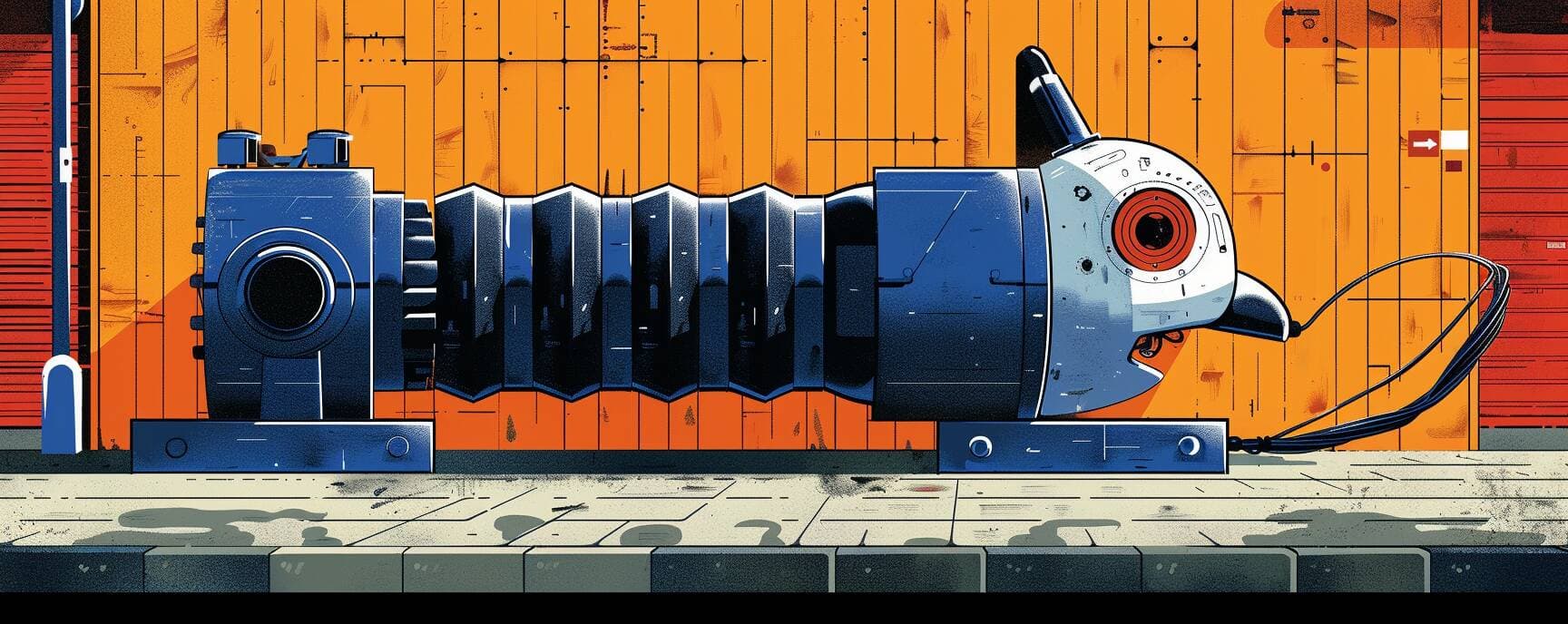
The Tide They Chose to Keep
By the early 1970s, the Netherlands was already building the dam that would seal the Oosterschelde estuary forever. Construction underway. Engineering settled. The moral authority of 1,836 dead demanded it. Then oyster farmers and environmentalists asked a question the post-flood consensus had made nearly unspeakable: What if safety purchased by killing an estuary was a bargain the country couldn't afford? The answer cost billions. It also changed how a nation understood water.
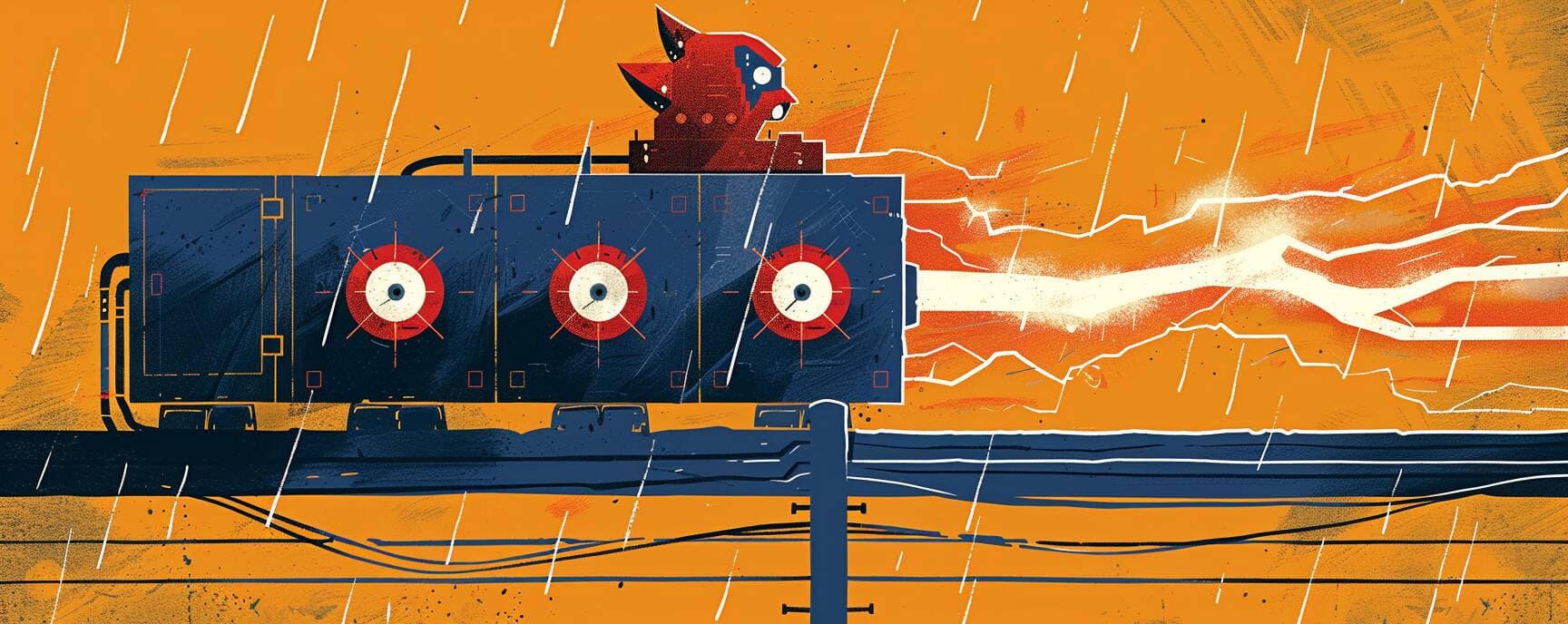
The Walls That Were Supposed to Be Enough
The Oosterschelde barrier was built to let the tide breathe while holding back the storm. Sixty-two steel gates, open most days, closing only when the sea demanded it. In January 2018, all five Dutch storm surge barriers closed simultaneously for the first time in history. The system held. The engineers watching the gauges knew what the celebration couldn't contain: the sea level projections their walls were designed for are already obsolete.
Source Material

Past Articles
In January 1877, sixty-eight thousand people gathered on a plain outside Delhi to celebrate the British Empire's grandes...

In June of 1816, five young English tourists sat by a fire above Lake Geneva and invented monsters. The rain that trappe...

The Dust Bowl produced two lasting interventions. One was a wall of trees. The other was a piece of governance architect...

A parasite nobody expected arrived in the Chesapeake Bay in 1959 and killed ninety percent of Virginia's farmed oysters ...