

Asking for Fourteen More Years


At 5:47 AM, Travas Deal opens the emissions projection again. If the Ray Nixon coal plant runs until 2040: 8.2 million tons of CO2. Last February's renewable bids came back 30-50% higher than projected. In seven hours, he faces the board. They need to know what timeline he's asking them to support—fourteen more years of burning coal, or something less. His wife refills his coffee. "You decided yet?" He closes the laptop. Opens it again. He hasn't.
Asking for Fourteen More Years
At 5:47 AM, Travas Deal opens the emissions projection again. If the Ray Nixon coal plant runs until 2040: 8.2 million tons of CO2. Last February's renewable bids came back 30-50% higher than projected. In seven hours, he faces the board. They need to know what timeline he's asking them to support—fourteen more years of burning coal, or something less. His wife refills his coffee. "You decided yet?" He closes the laptop. Opens it again. He hasn't.
Studies That Actually Matter
Ocean Momentum Doubles Adaptation Timelines
Multiple independent datasets confirm acceleration climate models didn't predict, published January 2025 in Advances in Atmospheric Sciences.
Sea level rise, fishery collapse, and hurricane intensification arrive faster than any municipality planned for.
Studies That Actually Matter
Pregnancy Becomes Climate-Vulnerable Condition
Nature Medicine meta-analysis published November 2024, synthesizing 66 countries following PRISMA guidelines with independent quality assessment.
Every pregnant woman in warming regions now faces measurably higher risks of preterm birth, stillbirth, and maternal death.
What It Means Here

A January 2026 study analyzing 761 cities found that grass and croplands actually warm cities in arid regions instead of cooling them. In places receiving less than 40 inches of annual rain, these plantings showed higher surface temperatures than pavement and buildings. Trees performed better but still caused net warming in 2% of arid cities.
During extreme heat, the effect gets worse everywhere. Grass failed to cool 71% of cities during peak heat months. Trees failed in 25%. The finding matters because Southwest cities have spent billions on urban greening specifically for heat mitigation, betting on vegetation that the physics say shouldn't work in water-scarce environments.

A Conversation with the Man Whose Job Is Convincing People to Abandon Their Homes
CONTINUE READINGPast Articles

The job seekers show up every morning at the Glenville branch to use the computers. Kids come after school. Seniors ...
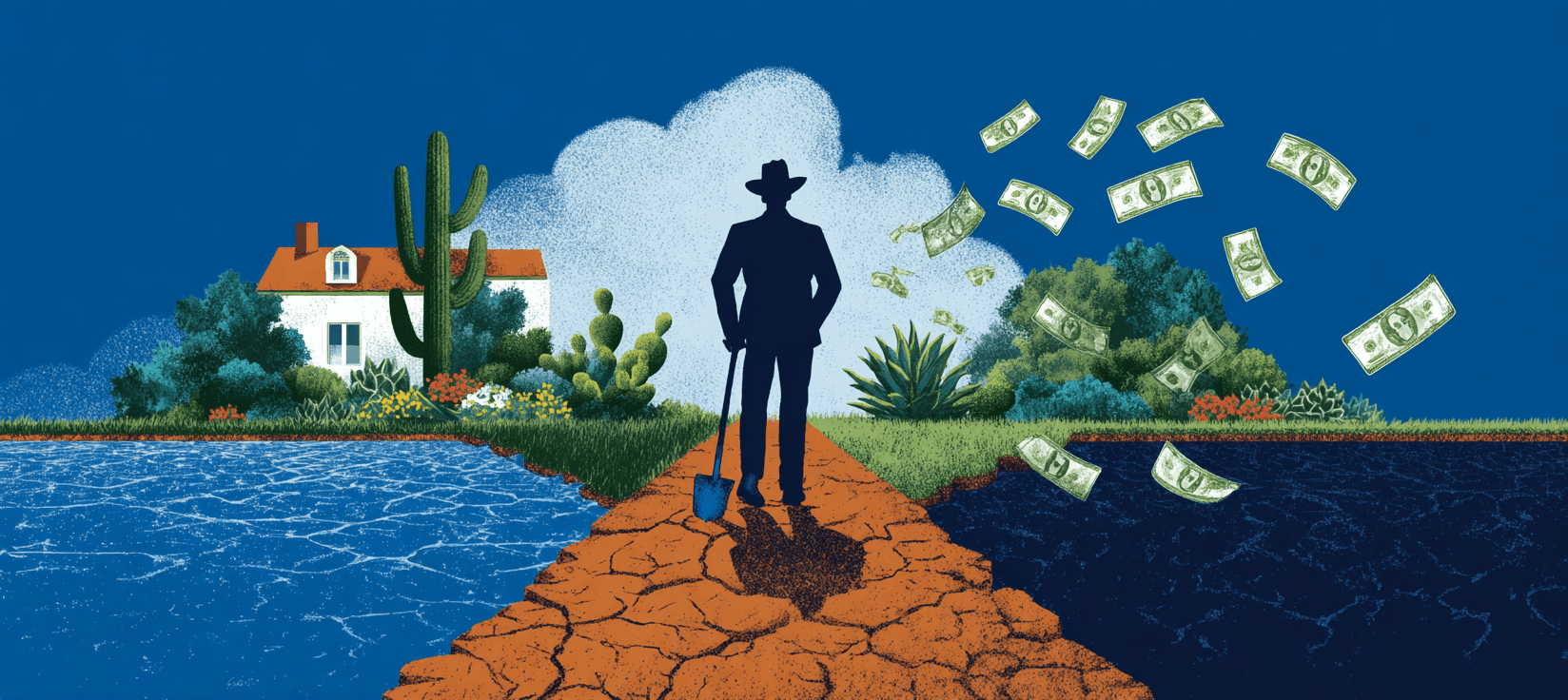
The contractor's bid sits on the kitchen counter next to the water bill and the printouts: $14,800 for desert landsc...
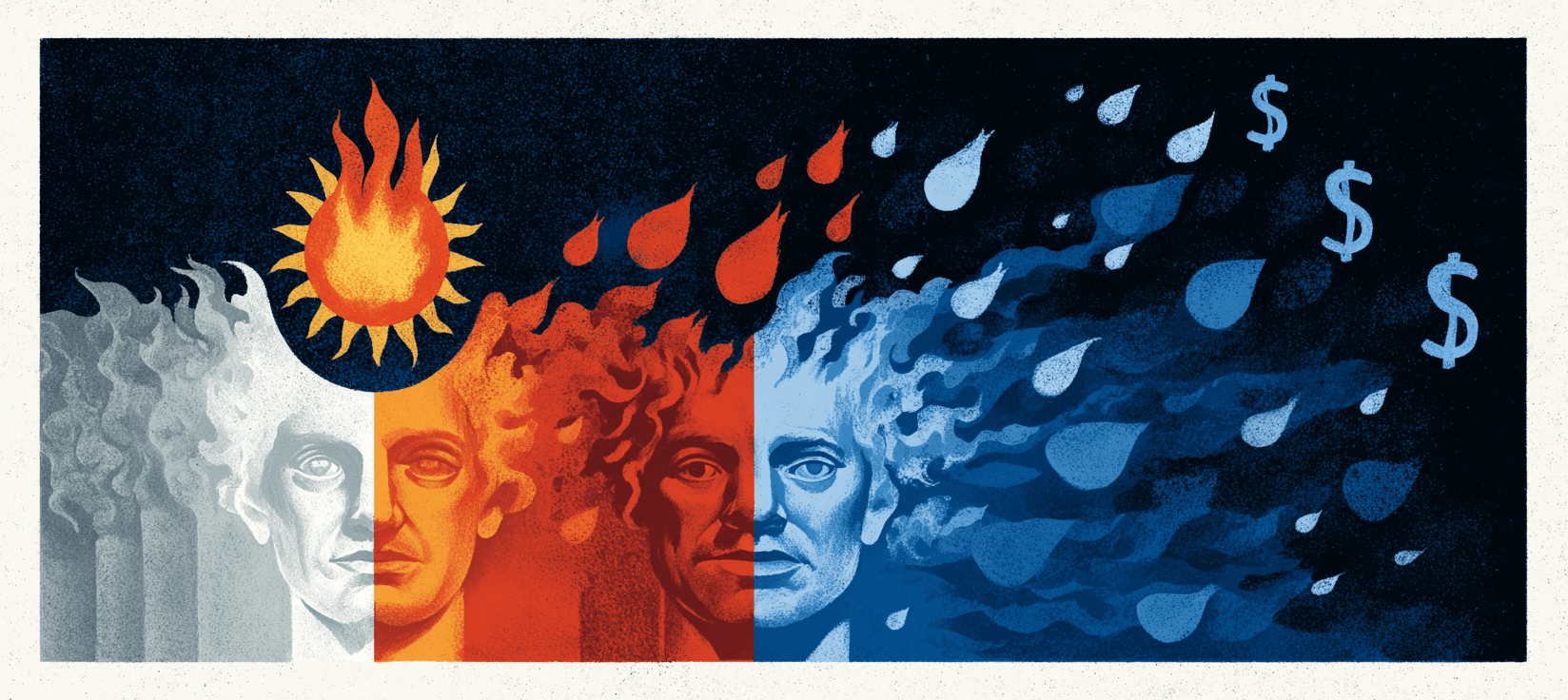
At Tule River Indian Reservation, the vulnerability framework maps how everything connects. The valley traps wildfir...
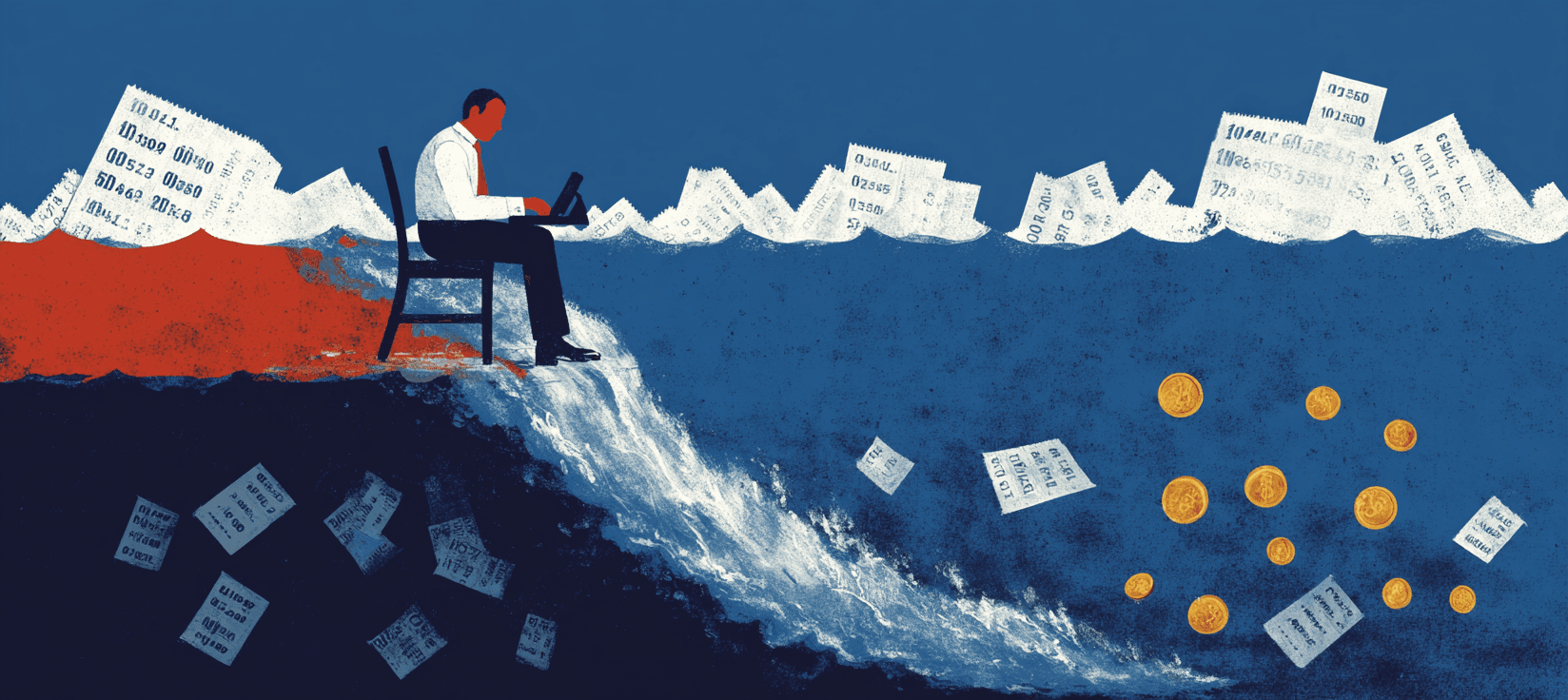
It's 11pm on a Tuesday in January and Pim Saetang has been through the manila folder twice already. Contractor quote...