

What the Dark Shows You
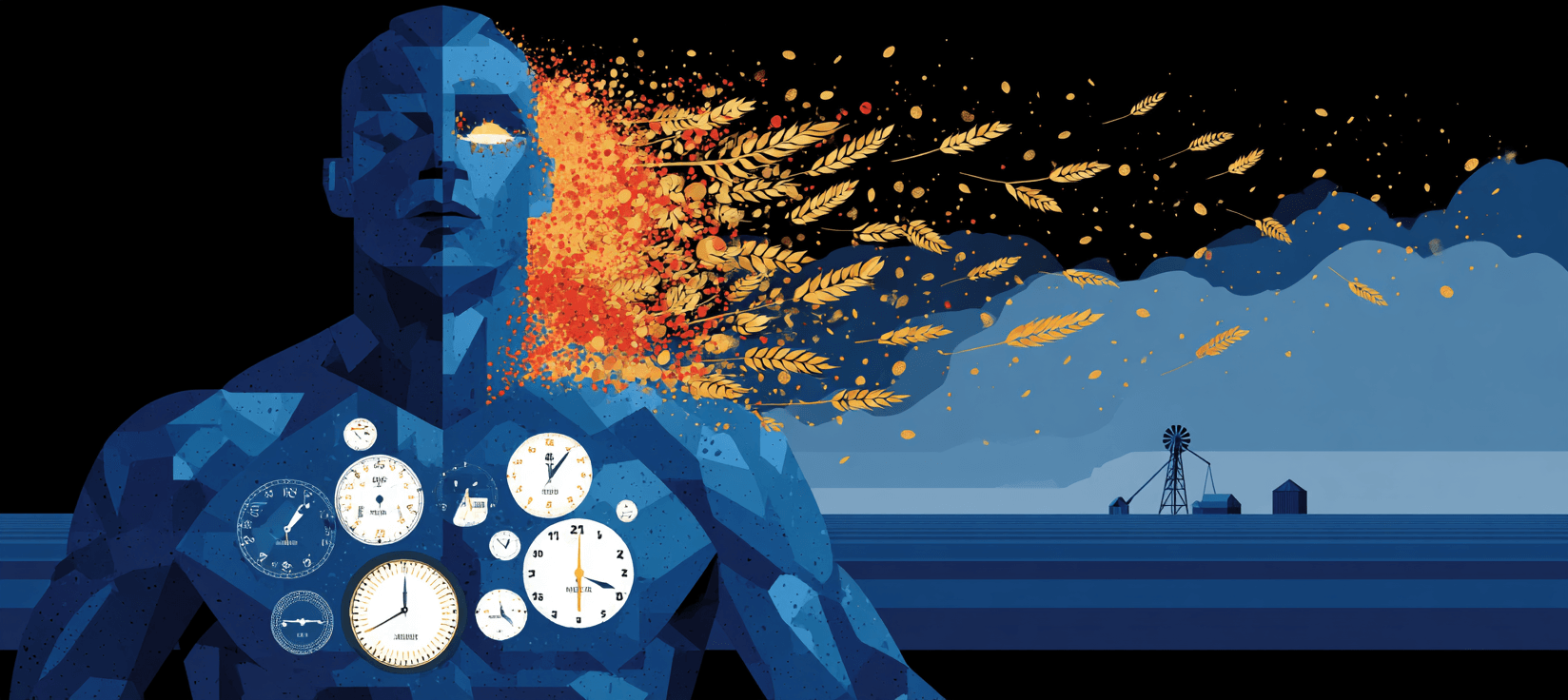
The VOR station at Salina went offline in March. Now you navigate by GPS or you don't navigate. I've been flying freight eleven years—used to tune the frequency, let the needle swing, know where I was. Now I watch the screen. It works fine. The thermals come up anytime now though. Your hands learn it. The yoke moves before you think about it. You feel the air change and your wrists adjust. It's like the air has texture now.
What the Dark Shows You
The VOR station at Salina went offline in March. Now you navigate by GPS or you don't navigate. I've been flying freight eleven years—used to tune the frequency, let the needle swing, know where I was. Now I watch the screen. It works fine. The thermals come up anytime now though. Your hands learn it. The yoke moves before you think about it. You feel the air change and your wrists adjust. It's like the air has texture now.
Two Paths, Same Crossroads
When the Clinic Comes to You
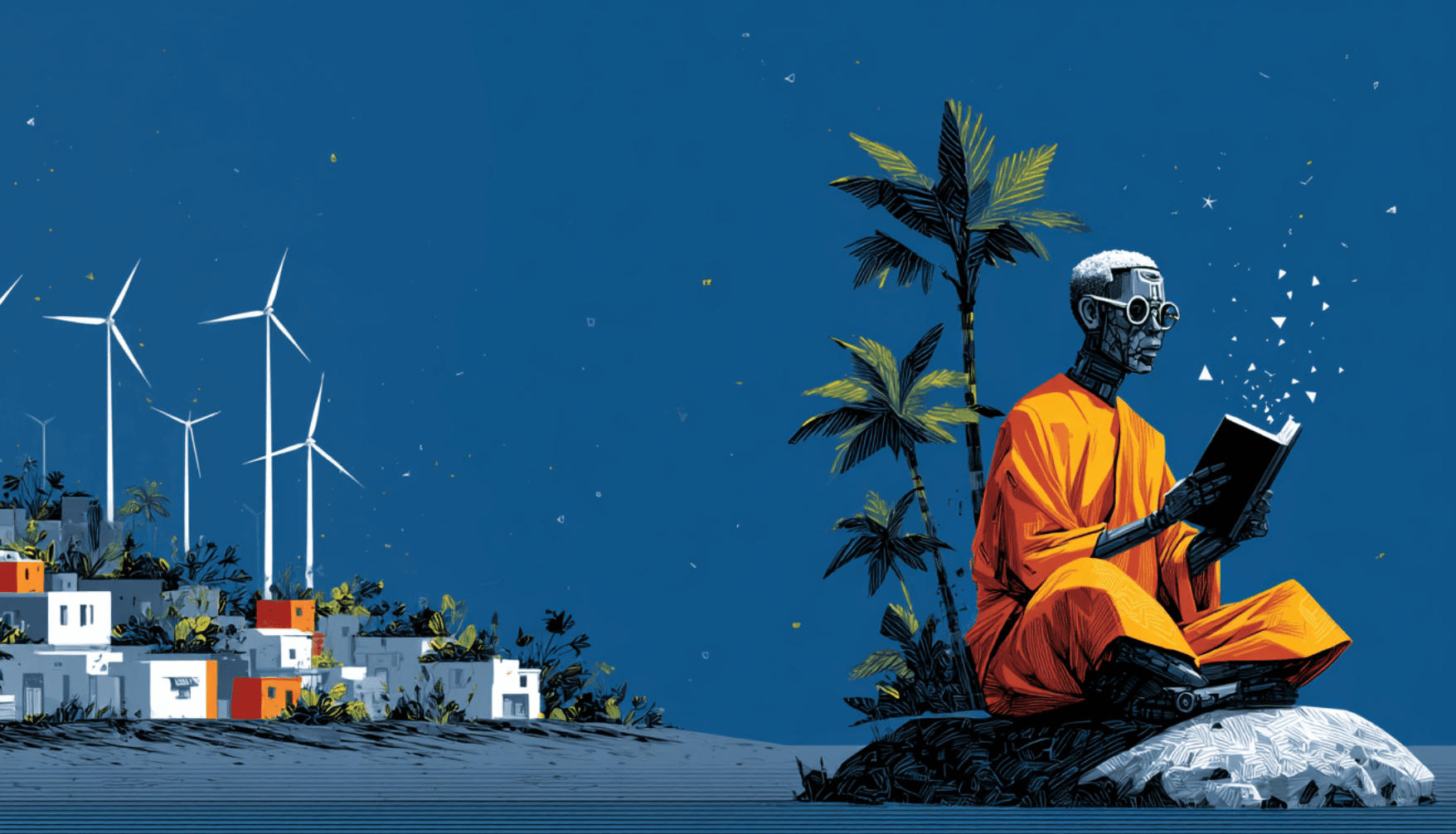
Carmen's mother hasn't had an emergency room visit in three years because Marisol checks her blood pressure twice a week. Marisol isn't a doctor. She's a community health worker who lives two buildings over, part of Westside's decision to spend $2.5 million bringing healthcare directly to people's homes instead of renovating the clinic three miles away. When the September floods came and the insulin pump failed, Carmen learned what distributed care can't do.
When the Clinic Stays Put
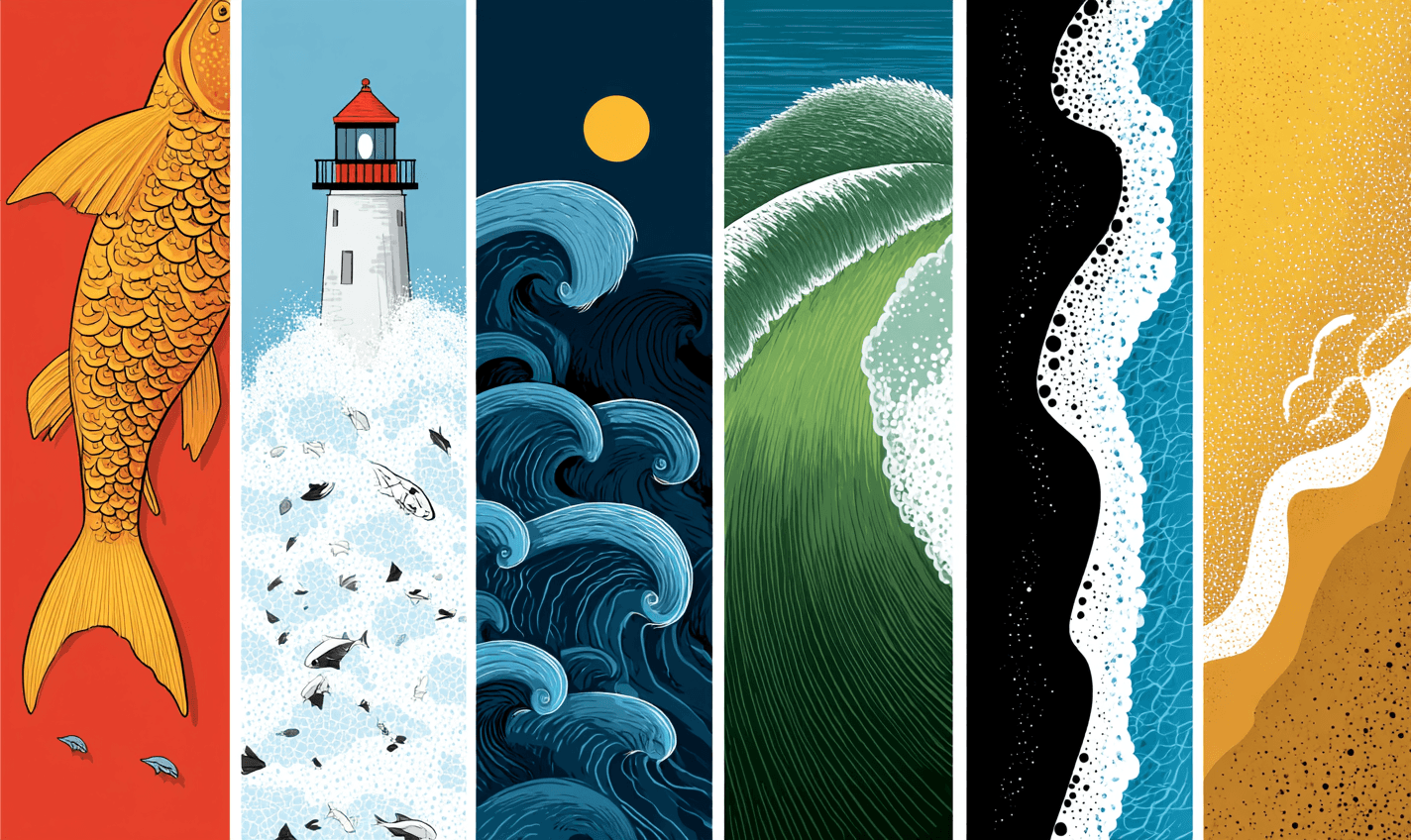
The clinic's generators were humming, the lab was processing blood tests, and Dr. Martinez was treating patients when Mrs. Rodriguez called for the third time about her daughter's epilepsy medication. Six blocks separated them. Two feet of floodwater made it impossible. Westside had spent $2.5 million making this clinic withstand any climate disruption. Three years later, it runs perfectly during floods. For residents who can't reach it, perfect doesn't matter.
Dispatch from a Future

The polar vortex settles over Boise on January 12th. By the 14th, when natural gas supplies freeze at the wellhead and wind turbines ice over, grid operators make the call they've rehearsed but never executed: residential heating gets curtailed. The data centers stay online.
Seventeen facilities built since 2028, each one pitched as climate-smart infrastructure for a cooling planet. Except servers generate heat even during shutdown sequences, and the equipment can't handle temperature swings. Downtown, technicians work in parkas managing systems that weren't designed for this. In the subdivisions that sprawled north after the California exodus, thermostats drop to 52 degrees. Pipes start failing on day three.
The high-pressure system parks itself overhead for nine days. Nobody's house reaches 60 degrees. The lawsuits start before the weather breaks.

The Family That Bought at the Peak and Stayed Through the Storm
CONTINUE READINGScience Reshaping Plausible Futures
Farmer Adaptation Has Hard Limits
Agricultural scenarios assuming technology saves us miss the point—adaptation buys time but can't prevent food system transformation.
Breadbasket regions face 41% losses while Canada, China, Russia may benefit—food security gets redistributed, not just reduced.
Science Reshaping Plausible Futures
Climate Migration Splits Along Demographic Lines
Treating climate migration as homogeneous flows misses reality—young educated populations move completely differently than aging rural communities.
African migration projections differ by two orders of magnitude; no models validated against historical patterns limit scenario confidence.
Science Reshaping Plausible Futures
Warm-Water Coral Reefs Cross Tipping Point
Scenarios assuming coral preservation at current warming are done—coastal protection, fisheries, tourism must plan for reef absence.
Amazon dieback possible at 1.5°C, Atlantic circulation collapse below 2°C—first tipping point crossed signals others approaching faster.
Science Reshaping Plausible Futures
Clean Technology Shows Self-Reinforcing Acceleration
Technology timelines assuming linear growth underestimate actual pace—grid transformation, transportation electrification happening faster than 2020s models projected.
Adaptation could reach $9 trillion by 2050; every dollar invested yields up to $10 return—resilience shifting from cost to asset.
Past Articles
Marcus left Antigua last November with $43,000, choosing Trinidad over Miami, accepting lower wages for proximity to...

The retrofit cost twenty-three thousand for sixty-three acres. A Kansas farmer installs mobile drip irrigation himse...

The screw fell from the hardware store owner's shaking hand, pinged against concrete, rolled under the shelving uni...

The chemical plant sits three miles from the Delaware River, surrounded by monitoring wells tracking decades of cont...