

Names on Paper
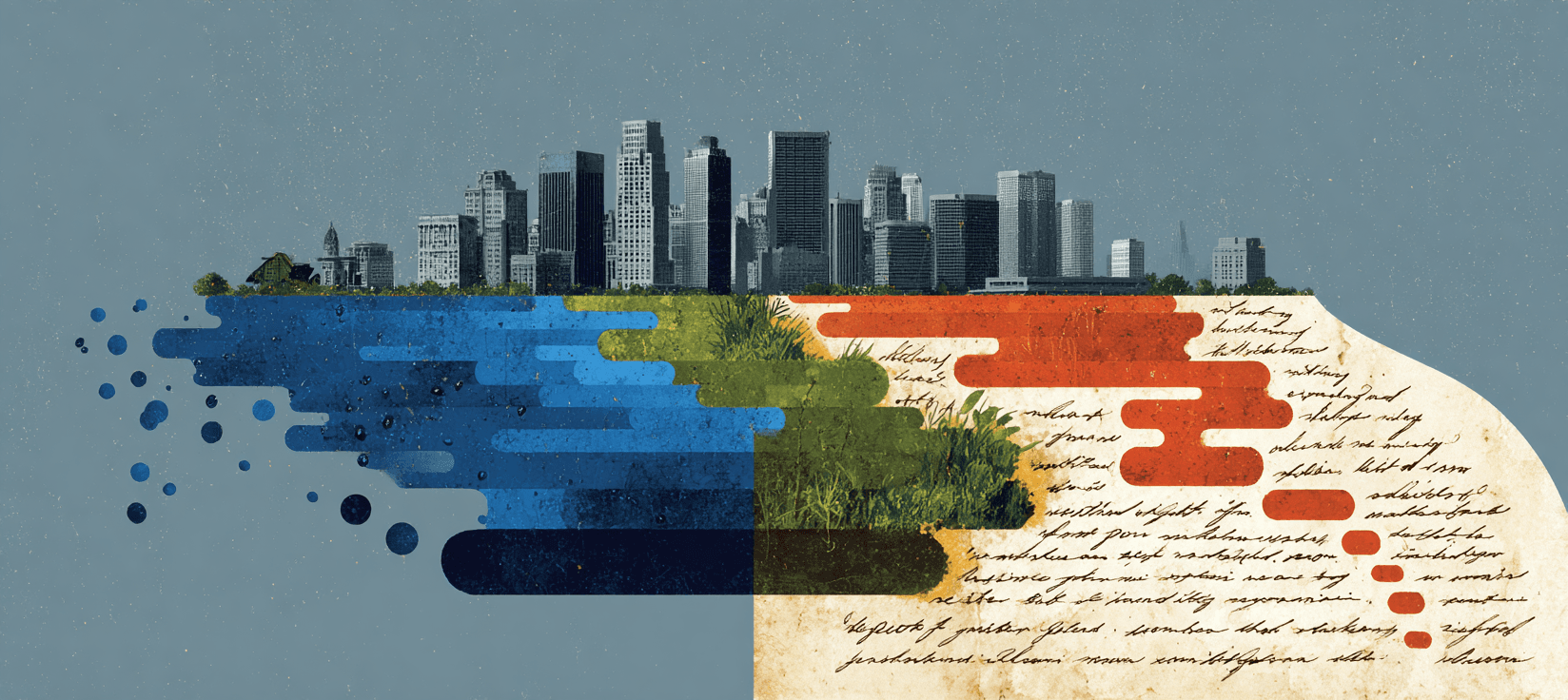
In the early 1830s, Dutch colonial officials sat in offices and made lists. Your village was on the list or it wasn't. That's all it took. A name on paper, and your future got decided by men who'd never seen your fields or walked your roads. Villages a kilometer apart, same soil, same people. One made the list, one didn't. Different futures.
Those handwritten lists from 1832 are still running Java's economy. The allocation decisions made for sugar extraction are still shaping who gets educated, who gets infrastructure, who prospers. The officials drawing up the lists weren't thinking about 2026. But their descendants can measure the consequences down to the percentage point.
Names on Paper
In the early 1830s, Dutch colonial officials sat in offices and made lists. Your village was on the list or it wasn't. That's all it took. A name on paper, and your future got decided by men who'd never seen your fields or walked your roads. Villages a kilometer apart, same soil, same people. One made the list, one didn't. Different futures.
Those handwritten lists from 1832 are still running Java's economy. The allocation decisions made for sugar extraction are still shaping who gets educated, who gets infrastructure, who prospers. The officials drawing up the lists weren't thinking about 2026. But their descendants can measure the consequences down to the percentage point.

An Interview with the Navigator Who Sailed Into Uncertainty to Chase the Rain
CONTINUE READINGHistory Echoes This Week
One year after the January 2025 Los Angeles fires destroyed 13,000 homes, seven in ten survivors still haven't returned. Insurance companies have paid $22.4 billion of an expected $40 billion in claims. Fewer than a dozen homes have been rebuilt.
In April 1906, earthquake and fire destroyed 80% of San Francisco. Insured losses hit $235 million—more than the entire US fire insurance industry had earned in the previous 47 years. Some 243 insurers settled claims. Twenty went bankrupt. Forty-three US insurers and sixteen foreign companies delayed payment for years. Four German insurers simply left the country.
What happens when disaster exceeds what an industry prepared to pay? The pattern repeats.
Historical Climate Insights
Drought Infrastructure That Floods Built to Fail
Nearly a quarter of global floods now follow droughts, creating rapid transitions infrastructure can't handle.
Single-hazard thinking builds systems that fail when extremes flip faster than communities can adjust.
Historical Climate Insights
Vikings Adapted to Greenland's Cold, Collapsed Anyway
Vikings didn't fail to adapt. They adapted brilliantly but adaptation couldn't overcome compounding stressors.
Thirteen experts agreed on this: Multiple simultaneous pressures can overwhelm even successful adaptation, revealing resilience has limits under compound stress.
Historical Climate Insights
Bronze Age Networks Failed Through Cascading Collapse
Ancient collapses followed cascade patterns. Interconnected systems don't degrade gradually but fail suddenly under compound shocks.
Systems can appear stable and functional right up until catastrophic failure when multiple stressors align.
Historical Climate Insights
Drought-to-Flood Transitions Poison Water Twice
Multiyear droughts alter soil properties, increasing runoff when rain returns and concentrating accumulated pollutants in water supplies.
Strategies optimized for drought adversely affect flood response, especially in dual-purpose reservoirs balancing competing objectives.
Past Articles

During the dust storms of 1935, farmers across the Texas Panhandle kept noticing the same thing at their fence line...

In 1839, David Malo sat in a Lahaina classroom writing down everything he knew about traditional Hawaiian life—usin...
For thirteen years, John Mathieson sold milk to Dunedin merchants at whatever price they offered. By August 1871, h...

Six hundred people sheltered at Lincoln High School when Hurricane Hugo hit McClellanville in 1989 because the maps...