

The Warming Hole — What It Means When the Thermometer Says Your State Is Fine


In 2023, more than 300 Texans died from heat, the most since the state began tracking. The grid that nearly collapsed during Winter Storm Uri was patched but not reimagined. Houston is still reshaping its floodplain after Harvey. Climate disruption in Texas is so routine it barely registers as news.
So here's the thing I can't stop turning over. A major new study tested every U.S. state for warming across its full temperature distribution and found a signal in 84 percent of them. Texas wasn't among them. No warming detected. Anywhere. I keep thinking about the people living inside that gap.
The Warming Hole — What It Means When the Thermometer Says Your State Is Fine
In 2023, more than 300 Texans died from heat, the most since the state began tracking. The grid that nearly collapsed during Winter Storm Uri was patched but not reimagined. Houston is still reshaping its floodplain after Harvey. Climate disruption in Texas is so routine it barely registers as news.
So here's the thing I can't stop turning over. A major new study tested every U.S. state for warming across its full temperature distribution and found a signal in 84 percent of them. Texas wasn't among them. No warming detected. Anywhere. I keep thinking about the people living inside that gap.
Reading The Distribution
Regional Heterogeneity and Warming Dominance in the United States
How uniformly a state is warming across its entire temperature distribution, from coldest days to hottest, scored and ranked.
Because averages showed no warming trend in 14 states where quantile analysis found significant shifts at the extremes. That's a measurement blind spot with real planning consequences.
Reading The Distribution
Climate Change Heterogeneity: A New Quantitative Approach
Treating each temperature quantile as its own time series, enabling formal classification of how and where within the distribution a region warms.
The authors explicitly flag extensibility to precipitation and sea-level data, positioning the framework as a reusable diagnostic tool, not a single study.
Losing Winter

A February 2026 PLOS Climate study found that in northern states, warming concentrates on the cold end of the temperature range. Burlington's winters have warmed 7°F since 1970, the largest increase among U.S. cities Climate Central examined. Hot days haven't budged. The deep cold is just leaving.
Willis Wood, who runs a 4,000-tap sugaring operation in Weathersfield, told Vermont Public this March, with temperatures running 20 to 25 degrees above normal: "It's so delightfully warm and sunny and warm at night that I think it's great to be alive, but it's a wretched time to be making syrup."
That sentence holds the whole problem. Disappearing cold doesn't feel like crisis. It feels like relief, a milder February, an earlier spring, until the economy and identity built around deep winter no longer have a floor beneath them.
Further Reading


Past Articles

Rain at 10,000 feet in the Idaho Sawtooths. Rain in the Bridger Range above Bozeman, midwinter, where snowpack is suppos...
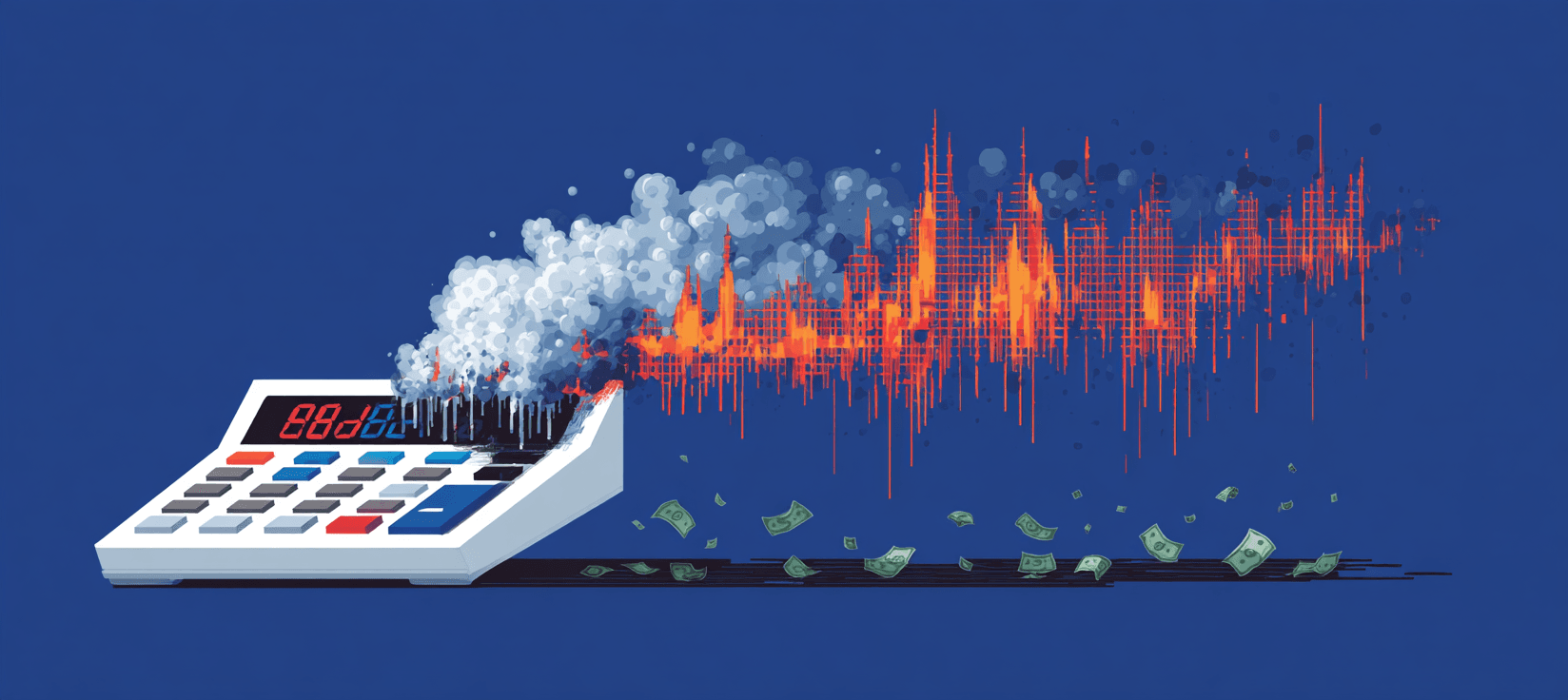
In 2023, San Antonio hit 75 days above 100°F. No president flew in. No anchors stood in anybody's yard. Insurance premiu...

In Maricopa County last summer, more than half the people who died from heat died on days the system classified as moder...

In Western fire country, every decision traces back to a number. Whether a prescribed burn gets approved in Jackson Coun...