

The Broken Calendar

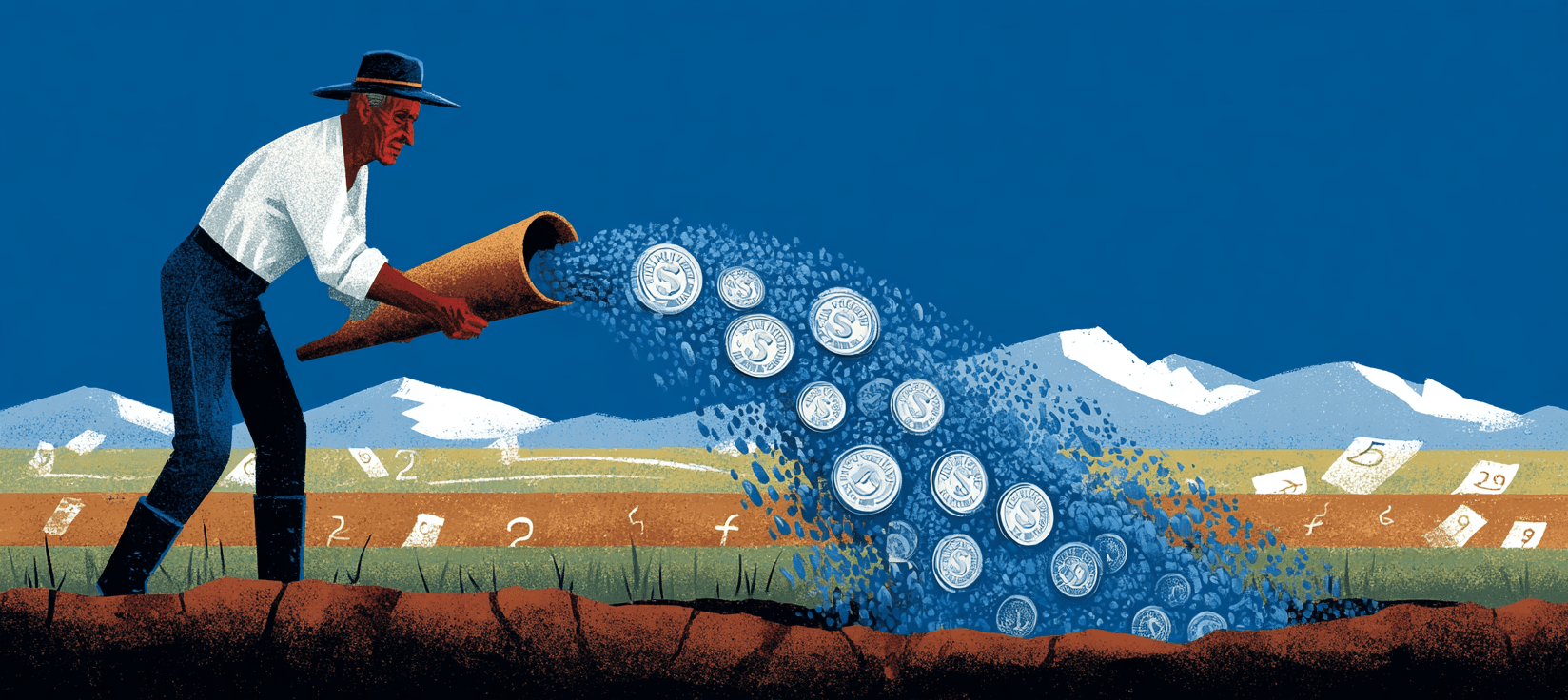
By early April in the Klamath Basin, the money is already spent. Seed purchased, fields prepped, contracts signed based on what a farmer believes the water will be. The Cascade peaks that should still be white are bare. Snowpack sits at 4 percent of average. And 1,200 farming families are waiting for a number from the Bureau of Reclamation that will arrive after the decisions it governs have already been made. Last year, for the first time in six seasons, the water came back. Families reinvested. Took on debt. Then the mountains went dry again.
The Broken Calendar
By early April in the Klamath Basin, the money is already spent. Seed purchased, fields prepped, contracts signed based on what a farmer believes the water will be. The Cascade peaks that should still be white are bare. Snowpack sits at 4 percent of average. And 1,200 farming families are waiting for a number from the Bureau of Reclamation that will arrive after the decisions it governs have already been made. Last year, for the first time in six seasons, the water came back. Families reinvested. Took on debt. Then the mountains went dry again.

Early Warning

Scott Hall watched forklifts unload water pallets at the Key Campus downtown on March 18, the day Phoenix hit 100 degrees for the earliest time in 131 years of records. As deputy director of the city's Office of Homeless Solutions, he knew the overnight cooling centers and extended library hours written into the 2026 Heat Response Plan were still six weeks from activation. The plan, approved unanimously on February 25, organizes 23 actions around a May 1 start date.
His outreach teams improvised. But the Heat Relief Network map, the tool that tells vulnerable residents where to find cooling and water, wasn't live yet. The people who needed it most had no way to locate what little was available.
Fire and Snowmelt

The Vanishing Burn Window
For decades, fire management in the Mountain West ran on a sequence a child could follow: snow melts, ground stays damp, you burn in spring before summer does it for you. A BLM fuels specialist in southwestern Colorado has 2,285 acres that need fire this spring. The snowpack that kept his window open is gone. Every acre he can't treat now feeds whatever comes in August.
The Melt That Isn't Coming
Same sequence, different disaster. Snow falls in winter, melts in spring, fills reservoirs through summer. That was the deal. Lake Powell now sits seven feet above the elevation where Glen Canyon Dam becomes 710 feet of useless concrete. A Colorado state water specialist drove to Denver in January and saw no snow in the foothills. The melt that was supposed to save the reservoir is coming in at 36 percent of normal.
Further Reading


Past Articles

Hurricane Helene ripped half the trees from Mitchell County, North Carolina, in October 2024. Seventeen months later, th...

Greg Gardiner rebuilt for nine years after the 2017 Starbuck Fire burned 42,000 of his 48,000 acres and killed 1,400 cat...

The federal building code says a manufactured home in Mississippi must handle 70 miles per hour of wind. The tornado tha...
Robert Lara moved a trailer onto his burned lot in Altadena and stayed. A year after the Eaton Fire, twenty-eight homes ...