

SYSTEMS: Insurance Left Urban LA. The Risk Models Can't Explain Why.


The most combustible thing on the block is somebody's wooden fence. Flat lots, stucco walls, concrete driveways browning under water restrictions. Miles from any canyon where Santa Ana winds turn lethal. In neighborhoods across southern LA County where Black and Latino families built homeownership against redlining and predatory lending, the non-renewal letters started arriving anyway. Wildfire risk, the letters said. The families looked at their blocks and couldn't make it make sense.
They were right that it didn't. Multiple risk assessment systems evaluated the same properties and reached contradictory conclusions. The one that determines who keeps coverage is the one no homeowner has ever been allowed to see.
SYSTEMS: Insurance Left Urban LA. The Risk Models Can't Explain Why.
The most combustible thing on the block is somebody's wooden fence. Flat lots, stucco walls, concrete driveways browning under water restrictions. Miles from any canyon where Santa Ana winds turn lethal. In neighborhoods across southern LA County where Black and Latino families built homeownership against redlining and predatory lending, the non-renewal letters started arriving anyway. Wildfire risk, the letters said. The families looked at their blocks and couldn't make it make sense.
They were right that it didn't. Multiple risk assessment systems evaluated the same properties and reached contradictory conclusions. The one that determines who keeps coverage is the one no homeowner has ever been allowed to see.
The Premium Question

Your homeowners premium has likely nearly doubled since 2020. The national average now hovers around $2,400, up from roughly $1,300 five years ago. A calm 2025 hurricane season slowed the bleeding. AM Best upgraded its industry outlook to "Stable." Florida's insurer of last resort approved its first rate cut since 2015.
Slow the bleeding, though, is all it did. Credible 2026 forecasts still project 3% to 8% growth nationally. Nobody is projecting a decrease. Experts say it would take a couple more quiet years to genuinely stabilize rates, and even then, "stabilize" means the price stops climbing. It does not mean the price comes down.
Whether your household sees any moderation depends on a handful of factors worth understanding: where you live, which perils threaten your property, and whether your state's regulatory pipeline still contains approved increases that haven't hit your renewal notice yet.
Further Reading


Past Articles
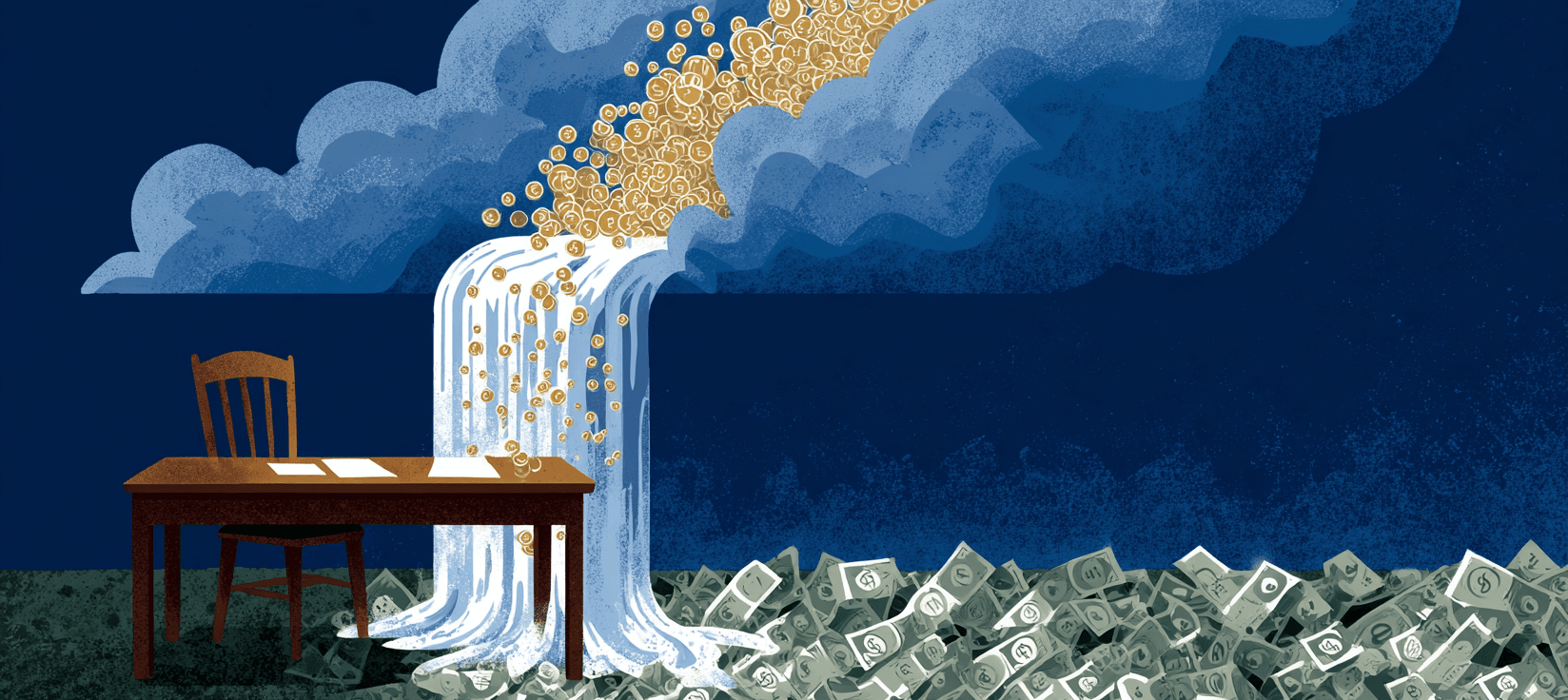
An insurance agent in eastern Iowa got dropped by his own carrier last year. Couldn't find coverage for the house he's b...

A man is threading refrigerant lines through an attic ceiling in Denver. The mechanical part of his job hasn't changed. ...
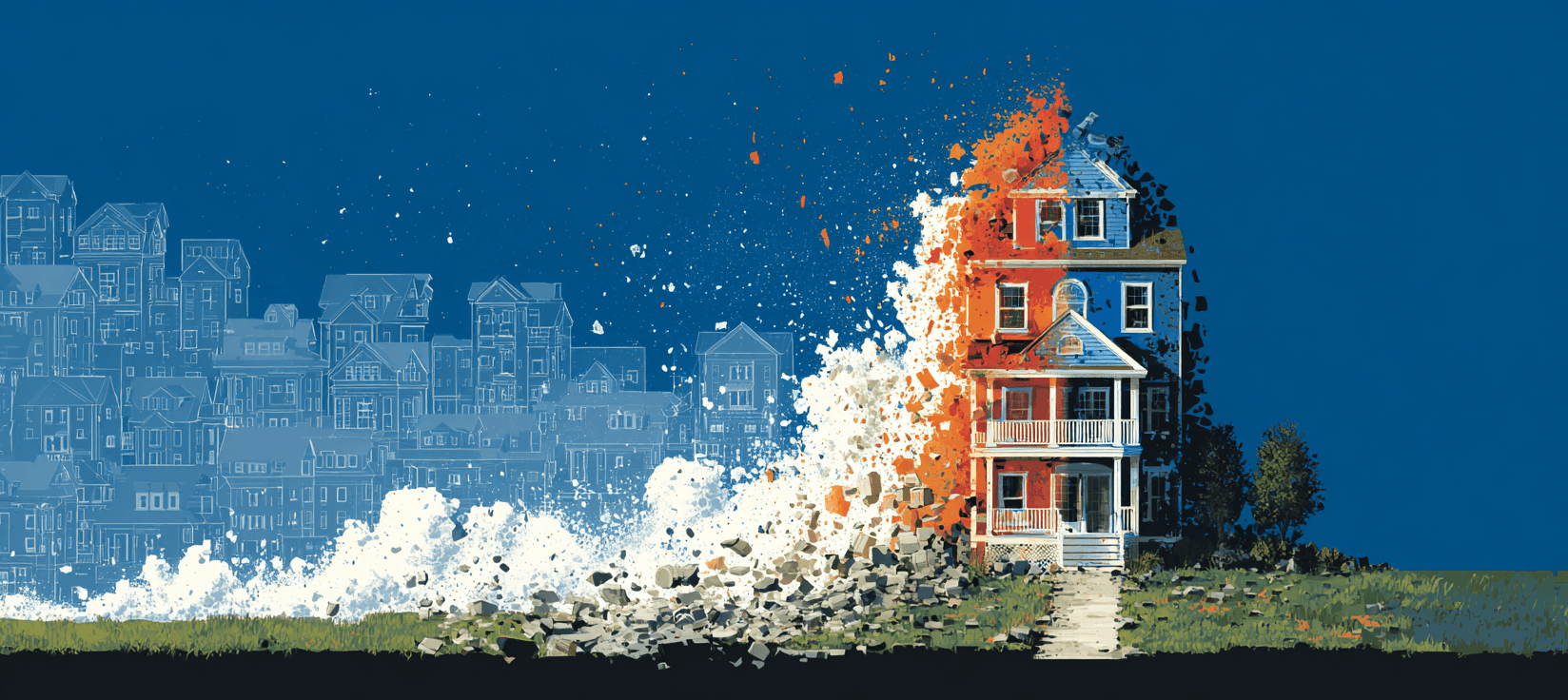
In November 2025, climate risk information vanished from California property listings on Zillow. Wildfire exposure, floo...

The most destructive wildfire in Colorado history hit Boulder County on December 30, 2021. Prairie grass, hundred-mile-p...