

Same Flood, Same Vote, One Town Still in the Floodplain

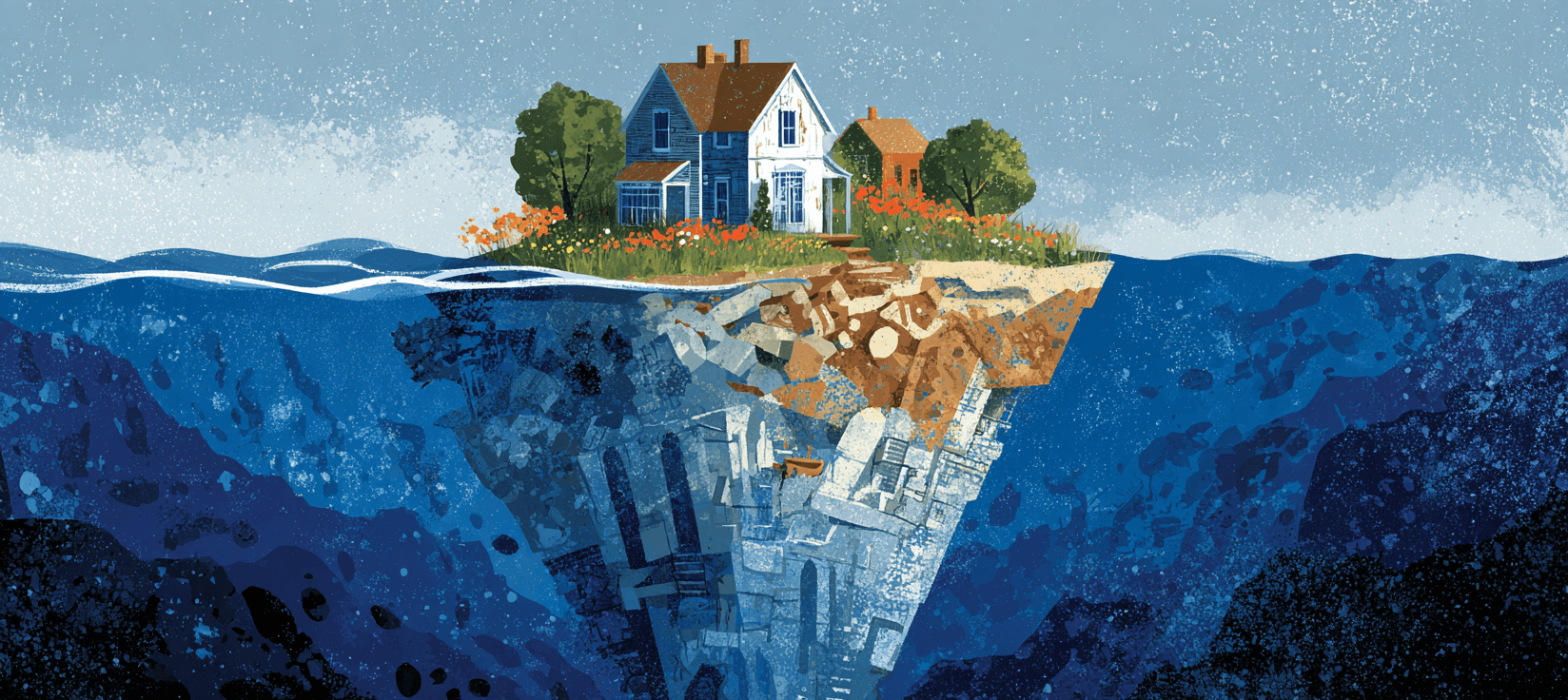
August 1993. A man stands in a hilltop cemetery watching the Mississippi swallow his town, street by street. Nine hundred people already evacuated. Nothing to do from that hill but understand what happened. Eight weeks later he's chairing relocation meetings. Four months after that, groundbreaking on higher ground. Thirty-five million dollars. Twenty-two agencies. The whole town moved. Two hundred miles north, another town flooded the same summer voted the same way. Almost nobody went. That second town is still in the floodplain. The programs that made the first move possible are being dismantled.
Same Flood, Same Vote, One Town Still in the Floodplain
August 1993. A man stands in a hilltop cemetery watching the Mississippi swallow his town, street by street. Nine hundred people already evacuated. Nothing to do from that hill but understand what happened. Eight weeks later he's chairing relocation meetings. Four months after that, groundbreaking on higher ground. Thirty-five million dollars. Twenty-two agencies. The whole town moved. Two hundred miles north, another town flooded the same summer voted the same way. Almost nobody went. That second town is still in the floodplain. The programs that made the first move possible are being dismantled.
The Town That Couldn't

On a June evening in 1994, Chelsea's city council voted 3-1 to accept nearly $7 million in federal grants and move 132 households to a hill three-quarters of a mile northeast. Sixty people packed the room. Some applauded. Vivian Trogu did not. "You're up on the hill," she told the council. "You don't give a damn about us."
What most residents wanted was elevation: keep the house, raise it higher. The federal program offered relocation or buyout, nothing in between. Roughly forty households left. The rest stayed. When the 2008 floods came, a second relocation attempt collapsed because the single farmer who owned the proposed site refused to sell. Chelsea's population has since fallen to around 200. Last July, the water rose again.

I've Done That Once — Dennis Knobloch on the Cost of Saving a Town
CONTINUE READINGPattern and Precondition
The 33rd Flood
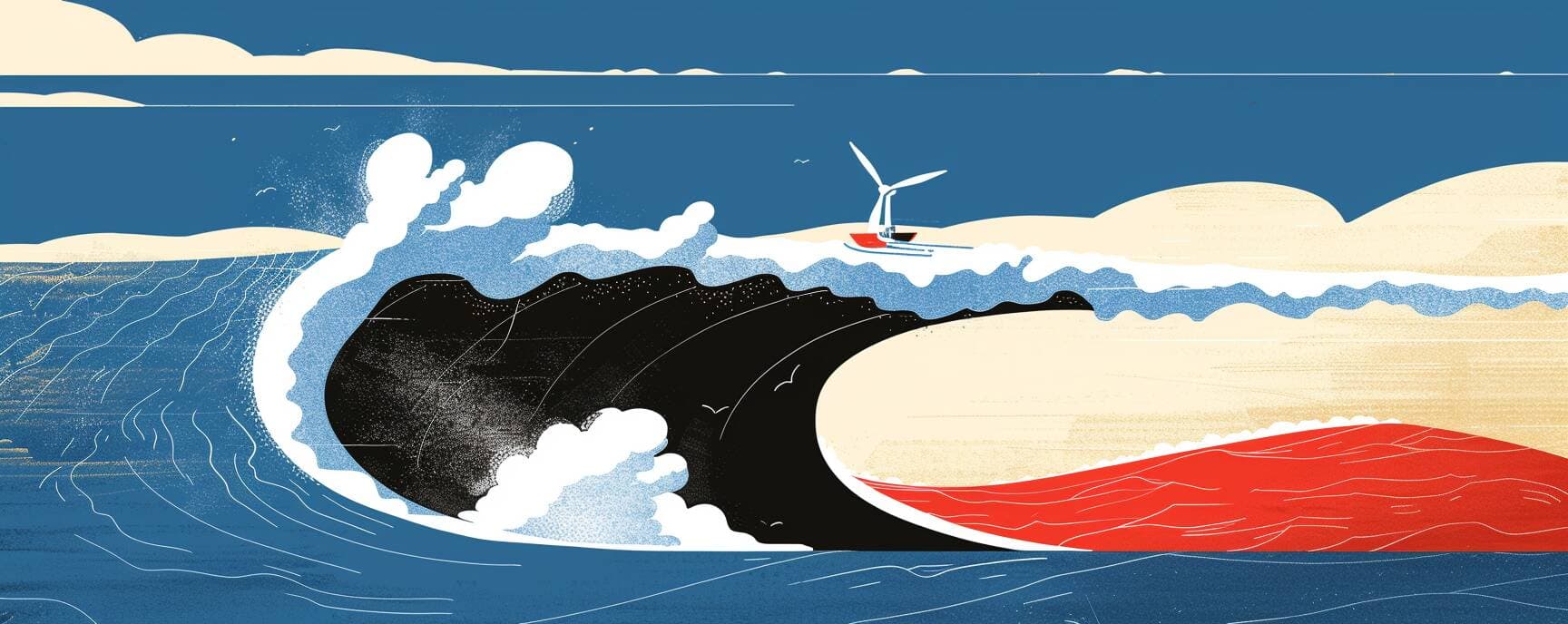
Between 1900 and 1993, the Grand River flooded Pattonsburg, Missouri, thirty-three times. After each one, people gutted the walls, pulled up the carpet, and rebuilt a slightly smaller version of what they'd had. Then ninety-two percent voted to leave. Ninety-two percent of any group of Americans can't agree on the weather. Something broke in Pattonsburg that thirty-two floods hadn't broken, and what waited on higher ground wasn't what anyone expected.

Who Gets to Move
After the 1993 flood, several small towns voted to do the obvious thing and get out of the water's way. Valmeyer, Illinois, moved. Chelsea, Iowa, voted the same way and almost nobody left. Chelsea has flooded repeatedly since. Same river system, same year, same decision. The difference was everything those communities already were before the water came.
The Retreat Landscape


Past Articles

Captain Leonard D. Wildman watched San Francisco residents torch their own earthquake-damaged homes in late April 1906. ...
In 1815, a volcano nine thousand miles away erased summer from New England. Snow buried Vermont in June. Crops failed. G...

Some Vermont farmers had already shorn their sheep when the snow came on June 6, 1816. A few tried to tie the fleeces ba...

On January 1, 1960, a hundred thousand people drove into the Arizona desert to evaluate a proposition about what a body ...