

The Weight of $380 a Month


It's 11pm on a Tuesday in January and Pim Saetang has been through the manila folder twice already. Contractor quotes, last summer's sales reports, NOAA projections her insurance agent forwarded in December. She spreads them across her kitchen table, some overlapping, one sliding toward the edge. Her grandmother's photo is tucked in the inside pocket.
Last July the dining room hit 83 degrees. Her line cook quit via text. The new HVAC system costs $18,000—nine months of profit if every month is good. Her husband thinks she should finance it. Her accountant thinks she should wait. The contractor needs an answer by Friday.
The Weight of $380 a Month
It's 11pm on a Tuesday in January and Pim Saetang has been through the manila folder twice already. Contractor quotes, last summer's sales reports, NOAA projections her insurance agent forwarded in December. She spreads them across her kitchen table, some overlapping, one sliding toward the edge. Her grandmother's photo is tucked in the inside pocket.
Last July the dining room hit 83 degrees. Her line cook quit via text. The new HVAC system costs $18,000—nine months of profit if every month is good. Her husband thinks she should finance it. Her accountant thinks she should wait. The contractor needs an answer by Friday.
Studies That Actually Matter
Wildfire Smoke Damages You Long After Skies Clear
Years after the last orange sky, your lungs remember every wildfire season you breathed through.
Stop thinking of smoke as temporary threat. If you've lived through multiple fire seasons, the risk stays with you.
Studies That Actually Matter
Simple Heat Warnings Beat Expensive Infrastructure
Text alerts and sirens save dramatically more lives per dollar than parks or cooling centers.
Your city debating heat budgets can now see which investments prevent deaths versus which just feel good.
Studies That Actually Matter
Invisible Aquifer Collapse Dwarfs Surface Water Loss
While we watched rivers shrink, the real crisis happened underground where pumps drain aquifers faster than rain refills them.
Pumping rates accelerated in 30% of aquifers over four decades. Recovery now requires intervention regardless of rainfall.
Studies That Actually Matter
Northern Forests Now Release More Carbon Than They Store
We've counted on forests absorbing a quarter of emissions. That assumption is breaking down in real time.
Previous disruptions recovered after El Niño ended. Permafrost thaw and high-latitude warming suggest something more permanent is happening.
What It Means Here

A study published January 5 reveals that climate models have overestimated natural nitrogen fixation by roughly 50 percent. This matters because nitrogen availability determines how much CO2 plants can pull from the atmosphere. The microorganisms that convert atmospheric nitrogen into plant-usable form work far less efficiently than the models assumed, meaning Earth's vegetation provides about 11 percent less climate buffering than we've been counting on.
Here's the strange part: agricultural lands have increased nitrogen fixation by 75 percent over two decades through farming practices. But forests, grasslands, and other unmanaged landscapes absorb significantly less carbon than projections suggested. The gap between what we expected nature to do and what it can actually do just got wider.

The Load Forecaster Watching His Models Collapse in Real Time
CONTINUE READINGPast Articles

The job seekers show up every morning at the Glenville branch to use the computers. Kids come after school. Seniors ...

Peter Miller did the math in 2017 and it came out wrong for him. Four years from spat to harvest. Four years of mone...
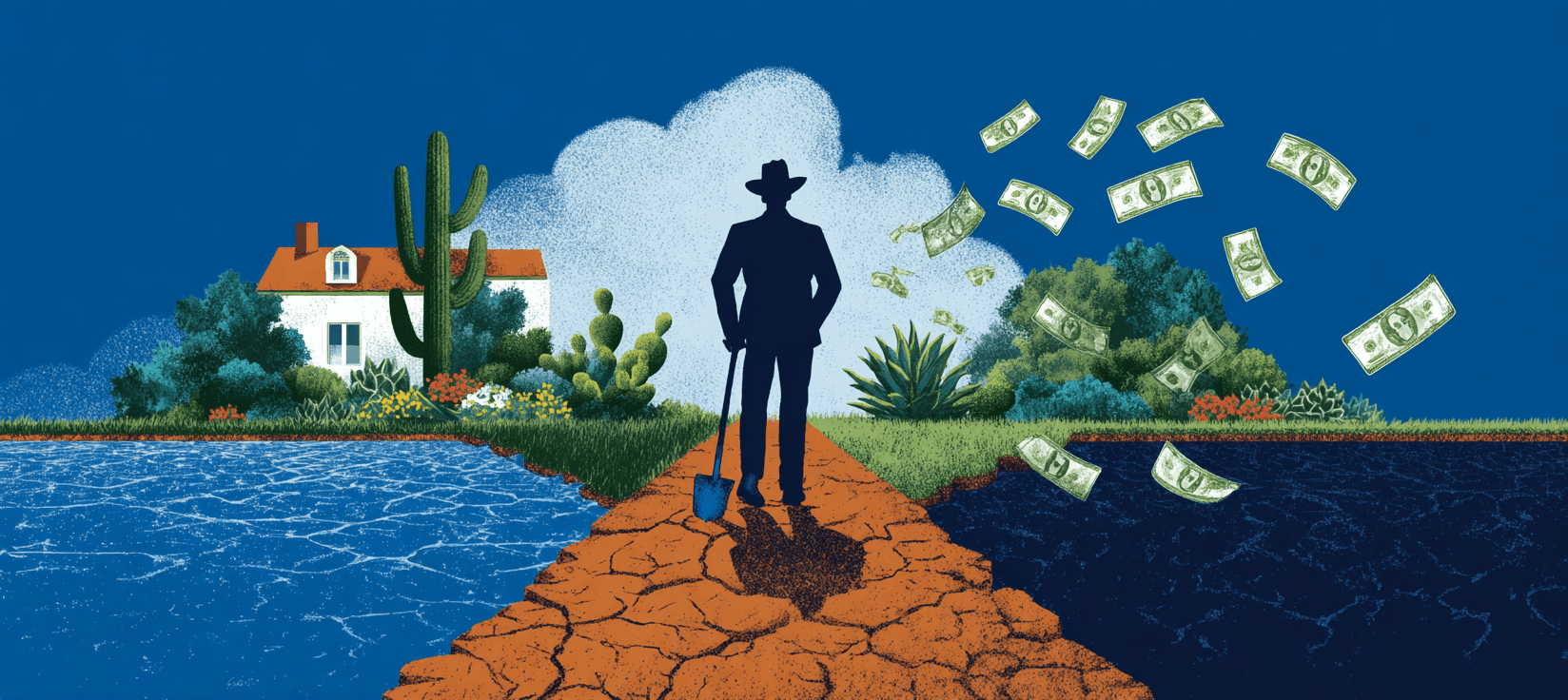
The contractor's bid sits on the kitchen counter next to the water bill and the printouts: $14,800 for desert landsc...

At Tule River Indian Reservation, the vulnerability framework maps how everything connects. The valley traps wildfir...