

Nobody Will Let Me Near the Pumps

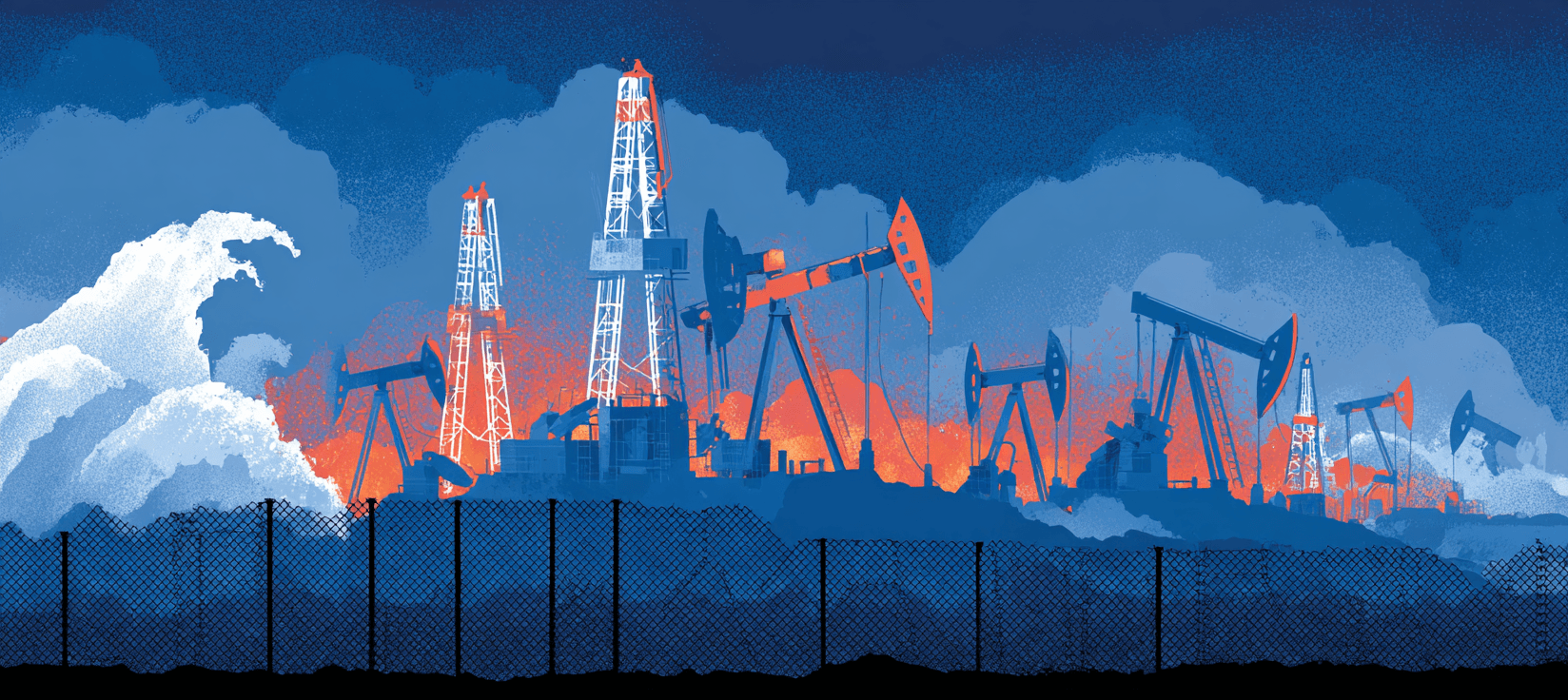
Nobody will let me near the people who pump out the New York subway. Not the MTA. Not the union. Not the workers themselves. After July's floods knocked out stations across Manhattan, officials praised "hundreds of people" who worked overnight pumping out the tunnels. No names. No details about what that night was like. Three weeks trying. Three hundred pump rooms keeping the system from drowning. And nobody will talk about what happens down there when the water comes.
Nobody Will Let Me Near the Pumps
Nobody will let me near the people who pump out the New York subway. Not the MTA. Not the union. Not the workers themselves. After July's floods knocked out stations across Manhattan, officials praised "hundreds of people" who worked overnight pumping out the tunnels. No names. No details about what that night was like. Three weeks trying. Three hundred pump rooms keeping the system from drowning. And nobody will talk about what happens down there when the water comes.
Choosing Different Futures

What Port Washington Is Betting On
Port Washington's city council voted unanimously for an $8 billion data center: no debate, no dissent, no one asking for more time. The mayor called it "the cleanest form of industrial investment." That unanimity keeps nagging at me. When you're positioned as a climate refuge, and you prove your readiness by deploying the resources that make you resilient, what exactly are you preserving? The capacity or just the reputation?

When Your Leverage Doesn't Work the Way You Thought
Michigan City's mayor rejected an $800 million data center in July—clear reasons, publicly stated. By November, construction was underway. The mechanics of getting from mayoral rejection to bulldozers in four months. What it means when your criteria for community benefit are reasonable and still don't matter. When abundant water and climate positioning turn out to be leverage someone else can use better than you can.
This Week Climate Reality

Phoenix opened a 24/7 cooling center at 20 W. Jackson Street this summer after 602 heat-related deaths in Maricopa County last year. More than half of those deaths happened on days classified as "moderate" heat risk, not the 115-degree days that make headlines.
The city extended three library branches to 10 p.m. and kept one site open around the clock. Navigation staff at the overnight location connect people to housing and shelter resources. Heat relief becomes the entry point for other interventions.
One overnight location for 113 consecutive days above 100 degrees. Phoenix is the only Arizona city doing this, which tells you something about both the need and the difficulty of meeting it.
Human Impact Developments
Flood Insurance Increases Stretch Over Years of Uncertainty
Five years minimum if your property needs major increases.
No. The program must set solvent rates regardless of Senate complaints.
Human Impact Developments
Hail Turns Plains Into High-Cost Insurance Territory
It costs as much as hurricane zones now, just from ice.
Homeowners, through 1-5% percentage-based deductibles after 2024-2025 reinsurance renewals shifted exposure.
Human Impact Developments
Heat Pump Tax Credit Expires December 31
A January 2026 furnace failure costs significantly more out-of-pocket than December 2025 replacement.
Colorado committed hundreds of millions. Most states haven't filled the gap.
Human Impact Developments
New Building Codes Won't Protect Existing Homes
Two-thirds of U.S. housing stock remains vulnerable under old standards.
Yes, 4:1 to 7:1 returns depending on hazard type per federal data.
Past Articles

A grandmother south of Houma tracks the floods in a Dollar General notebook. Which days the road's underwater, when ...

She was a mountain guide until the smoke and shortened seasons made it unsustainable. Now she writes code, makes rea...

Three in the morning and you're running the numbers again. $130,000 borrowed for center pivots across 130 acres. $20...

Spent two months watching Duluth try to figure out if it can actually be what people are calling it—a climate haven—and...