
The Cold Chain
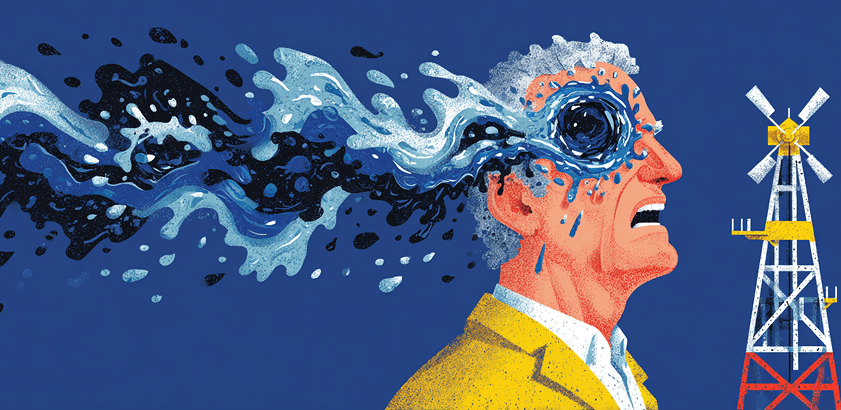
The coffee tastes different at 5:15 AM when you know the day will hit 97 degrees by noon. Through the kitchen window I watch pre-dawn light spread across the Mississippi Valley, and the radio reports river levels dropping at Memphis. I do the math automatically: another week of light-loaded barges, another 200 tons per barge we're not moving.
The drive to the distribution center takes forty minutes. By the time I cross the parking lot into refrigerated air—seventy-three degrees to fifty-five in two steps—three simultaneous disruptions are waiting on my logistics map. The cold chain that keeps cities fed runs on precise choreography. Today that choreography needs rewriting.
The Cold Chain
The coffee tastes different at 5:15 AM when you know the day will hit 97 degrees by noon. Through the kitchen window I watch pre-dawn light spread across the Mississippi Valley, and the radio reports river levels dropping at Memphis. I do the math automatically: another week of light-loaded barges, another 200 tons per barge we're not moving.
The drive to the distribution center takes forty minutes. By the time I cross the parking lot into refrigerated air—seventy-three degrees to fifty-five in two steps—three simultaneous disruptions are waiting on my logistics map. The cold chain that keeps cities fed runs on precise choreography. Today that choreography needs rewriting.
Two Paths, Same Crossroads
Thursday Morning, 116 Degrees
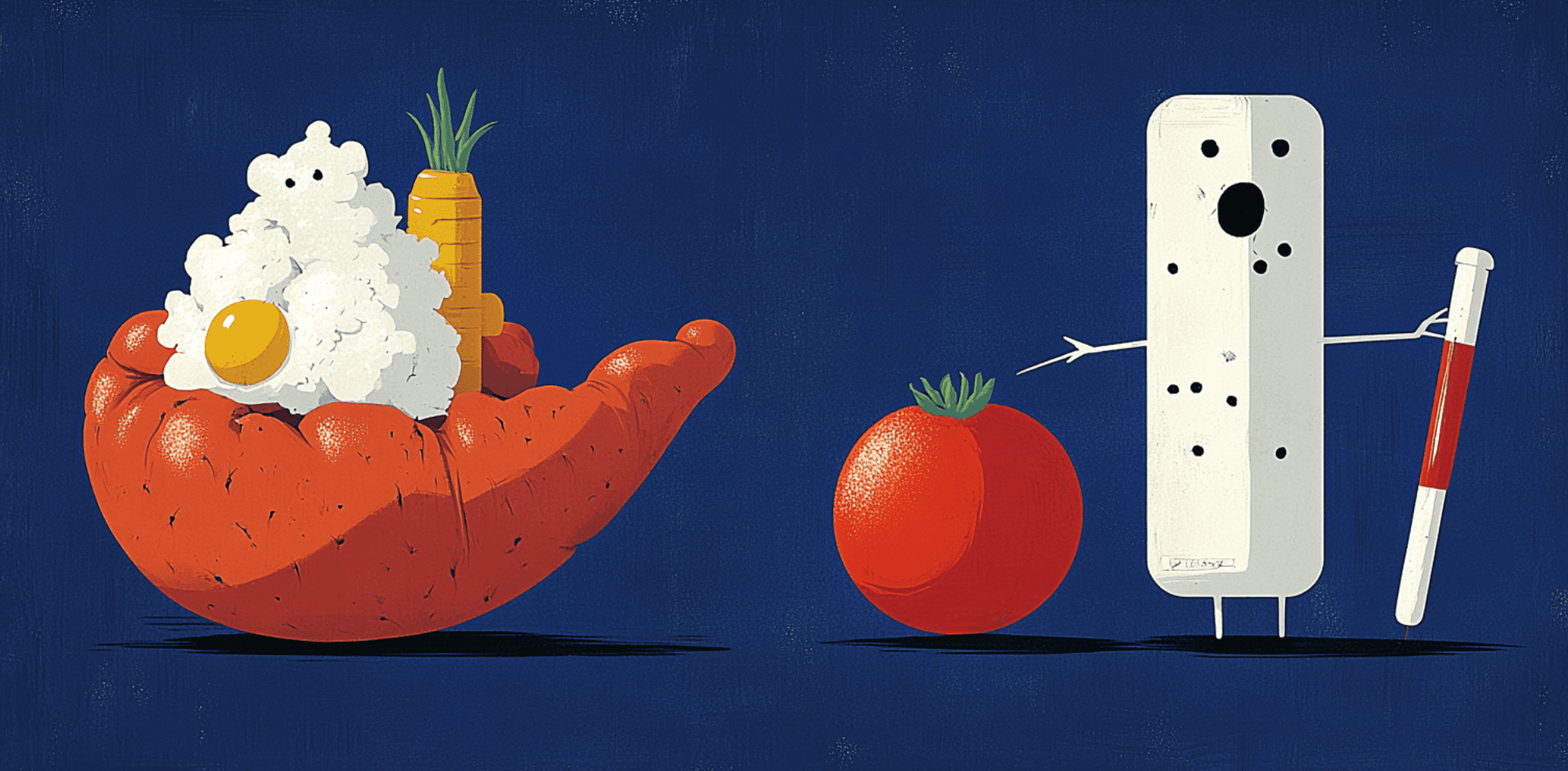
In 2040 Phoenix, our block chose voluntary water sharing over formal rationing. Eighteen households, one spreadsheet tracking who's over and under. This morning I'm awake before my alarm calculating whether we can water our dying mesquite tree, whether I can ask neighbors for help again this week. Someone installed a pool last month without asking first. Someone else skipped showers to stay under commitment. How long can we keep doing this?
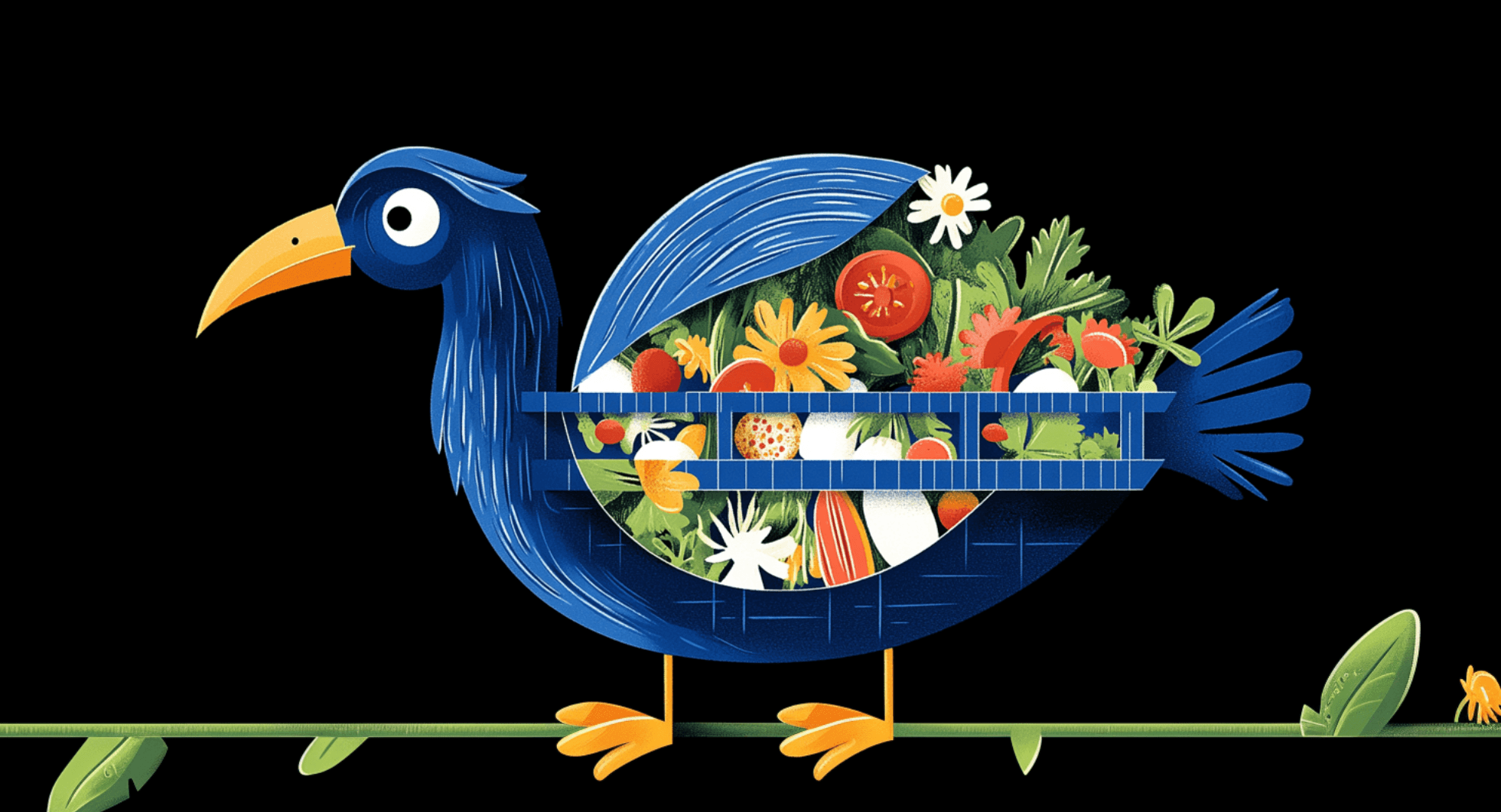
When Trust Doesn't Scale
The block next to ours switched to formal water rationing after three months of trying what we're doing—voluntary sharing based on trust. I keep thinking about why they gave up. Not to judge them but to understand what they might have seen that we're still avoiding. Because fairness requires enforcement, and you can't enforce rules on people whose kids play with your kids. What happens when trust doesn't scale?
Dispatch from a Future
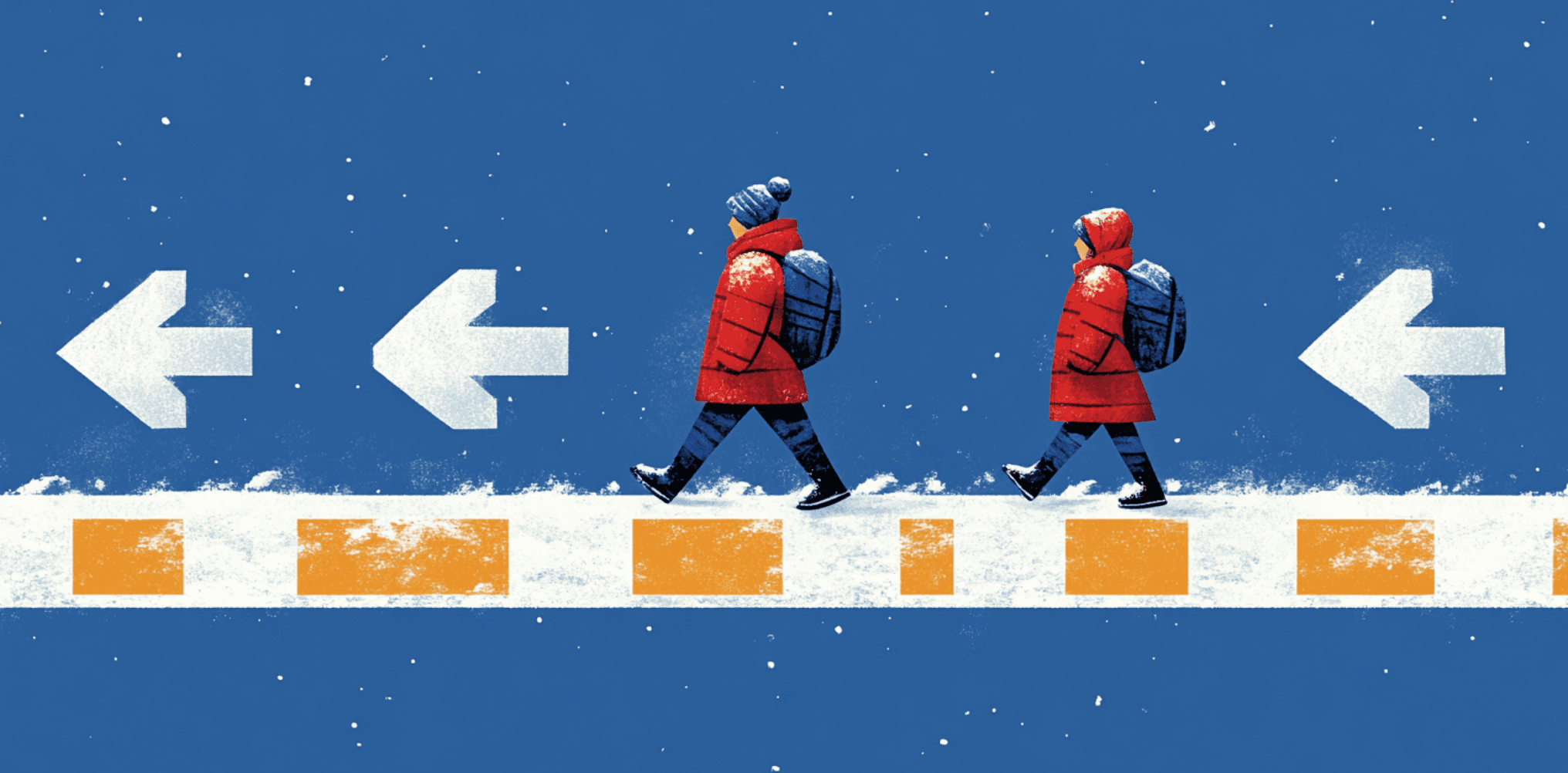
Between June and September, afternoon departures from Phoenix simply don't exist anymore. The last flight out leaves by 11 AM, when tarmac temperatures still hover below the operational threshold. Everyone knows this now. You book morning flights or you don't fly at all.
The airport feels strange at 2 PM, half-empty despite being open. Gate agents have stopped apologizing for the schedule. A businessman I met at baggage claim had rebooked through Salt Lake City, adding four hours to his trip to Denver. "Third time this year," he said, not even annoyed anymore.
Some airlines tried evening-only summer service. The aircraft couldn't reposition during peak heat. Route networks collapsed. The Southwest's aviation hub status, built over decades, is quietly dissolving each summer, one cancelled afternoon departure at a time.

Science Reshaping Plausible Futures
Greenland's Margins Thinning Five Times Faster Than Interior
Scenarios built for mid-century may arrive in the early 2040s instead.
Ice sheets hit non-linear tipping points rather than melting steadily as models assumed.
Science Reshaping Plausible Futures
Infrastructure Failures Cascade Through Supply Chains Unpredictably
Climate-resilient regions become exposed through connections to fragile systems elsewhere.
Location risk now includes the stability of everywhere your essential systems connect to.
Science Reshaping Plausible Futures
Ecosystem Collapse Could Precede Physical Climate Impacts
Ecosystems shift abruptly, making gradual adaptation scenarios less plausible than sudden disruption.
Amazon tipping doesn't stay in Brazil but alters rainfall patterns globally.
Science Reshaping Plausible Futures
CRISPR Cuts Crop Adaptation Time From Decades to Years
Those with research access adapt agriculture while others face collapse.
Technology exists but accessibility differences will determine who can actually use it.
Past Articles

Keep seeing these Rust Belt mayors debating whether they can handle climate migrants when the real question is wheth...
First piece traced how venture capital and patents shape what gets sold as climate adaptation—follow the incentive s...
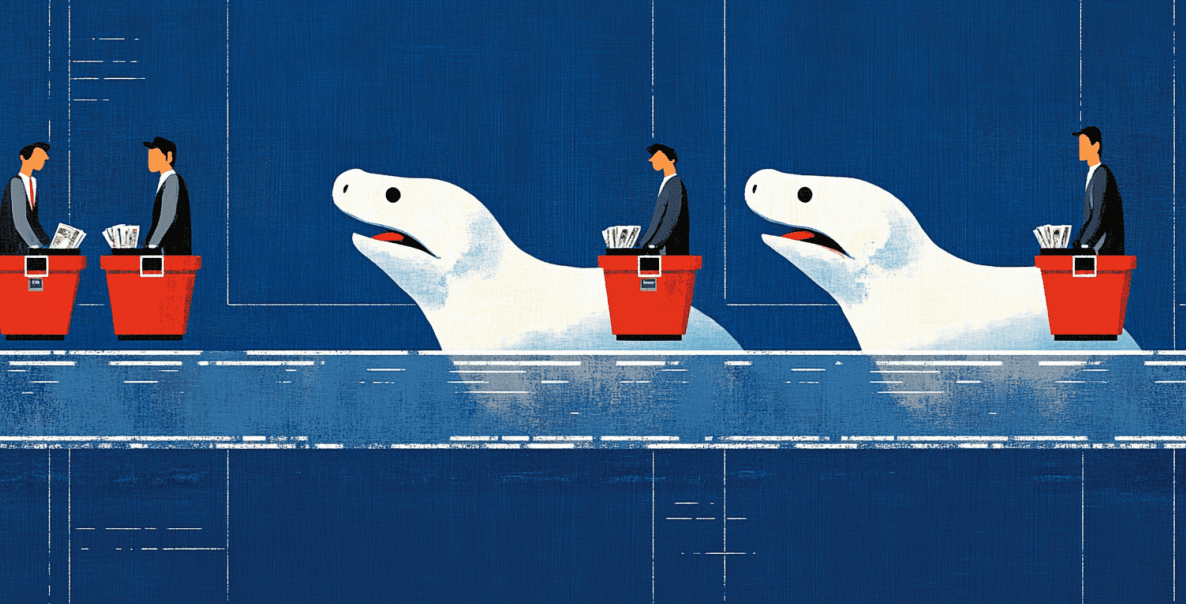
Been pulling seed company filings all week, the kind of work that makes you wonder where the money actually goes. Ve...
Last month my tía sent me a screenshot from Guatemala City—someone's dating profile where all the prompts were about wa...