

The Afternoon That Doesn't Break


Most summer afternoons in Miami, a current rolls off the Atlantic between one and four. Cooler by five or ten degrees, carrying the mineral edge of open water. It drops the pressure. Stacks thunderheads along its front. Three hundred and thirty thousand outdoor workers in Miami-Dade County keep working because of it. The grid holds because of it. No one engineered it, no agency manages it, no insurance model accounts for its presence. A new study across 18 coastal megacities is now measuring what happens to cities as that current weakens.
The Afternoon That Doesn't Break
Most summer afternoons in Miami, a current rolls off the Atlantic between one and four. Cooler by five or ten degrees, carrying the mineral edge of open water. It drops the pressure. Stacks thunderheads along its front. Three hundred and thirty thousand outdoor workers in Miami-Dade County keep working because of it. The grid holds because of it. No one engineered it, no agency manages it, no insurance model accounts for its presence. A new study across 18 coastal megacities is now measuring what happens to cities as that current weakens.
The Papers
Ocean warming weakens the sea–land breeze in coastal megacities
New York lost nearly a third of its sea-breeze days since 1970, and two-thirds of coastal megacities show the same pattern.
Yes. Breeze loss runs 4.5 times worse under high emissions than moderate reduction by 2050. This one responds to policy.
The Papers
Large-scale aggregation of humid heatwaves exacerbated by coastal oceanic warming
Warming coastal waters drive the majority of large humid heat wave growth, especially across the tropics.
A thousand kilometers from the coast, there's still a 90% chance you're caught in the same humid heat event.
The Papers
A physiological approach for assessing human survivability and liveability to heat in a changing climate
Off by as much as 13°C for older adults. The number we trusted was never built for aging bodies.
Two of the deadliest heat events in modern history registered wet-bulb temperatures the old models called survivable.
The Papers
Extreme rainfall over land exacerbated by marine heatwaves
Extreme rainfall jumps 20–30% on land downwind of marine heatwaves. The signal is consistent and large.
Warming seas aren't just exporting heat and moisture to coastlines. They're intensifying the rain that follows.
Built for a Breeze

Charleston's single houses face south for a reason. Beginning in 1680, the city's grid oriented narrow lots to intercept harbor winds. Over 2,000 piazzas were built perpendicular to the street to funnel airflow indoors. In Miami, mid-century MiMo architects punched breeze blocks into facades and angled jalousie windows toward the afternoon southeast trades. These were cooling infrastructure, encoded in concrete and glass, calibrated to a wind pattern now measurably weakening.
No American city has ever formally classified the sea breeze as infrastructure. Hong Kong did, mandating ventilation assessments for major developments since 2006. But even that framework assumes the breeze keeps showing up. The buildings remain. The wind they were designed around grows less reliable. And the gap between form and function widens in silence.
Keep Reading


Past Articles
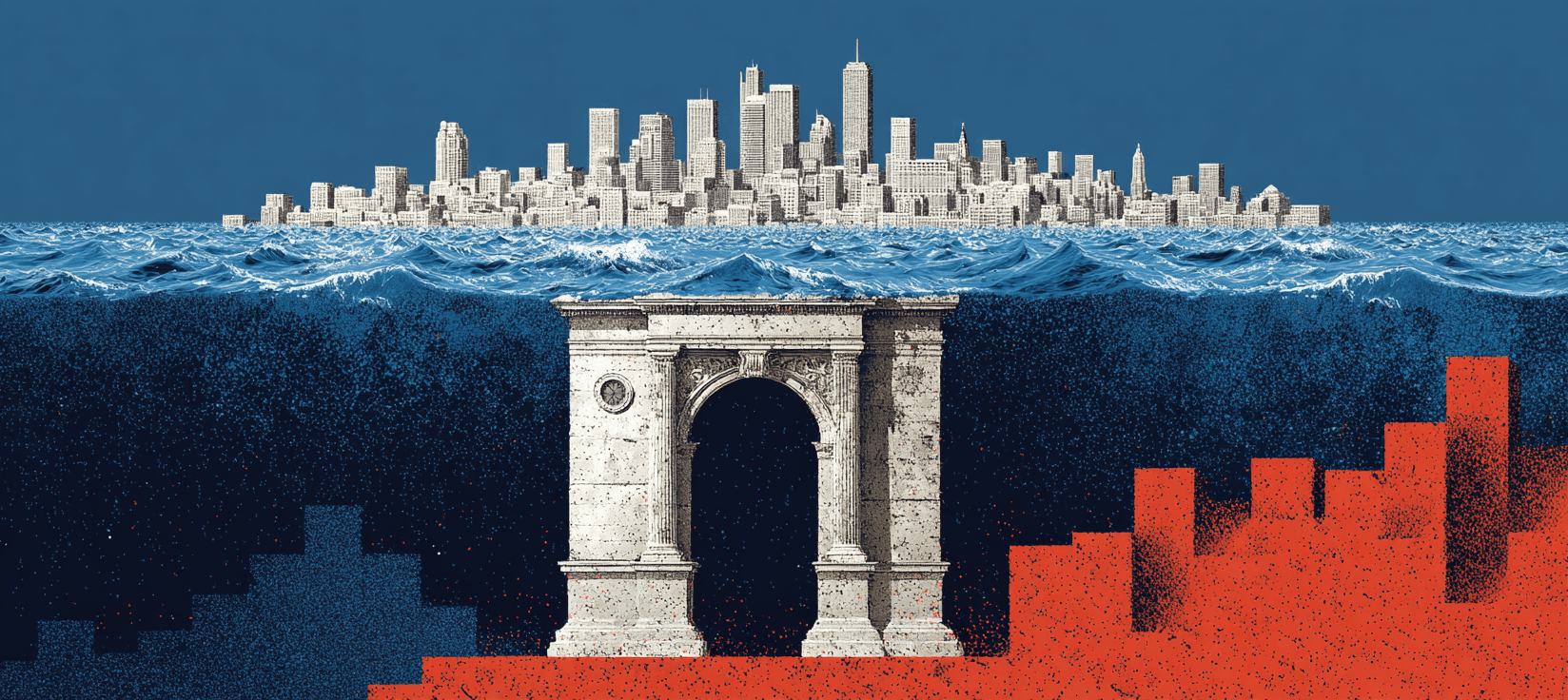
In December 2025, engineers began designing the largest flood gate system in the world. Two miles across the mouth of Ga...
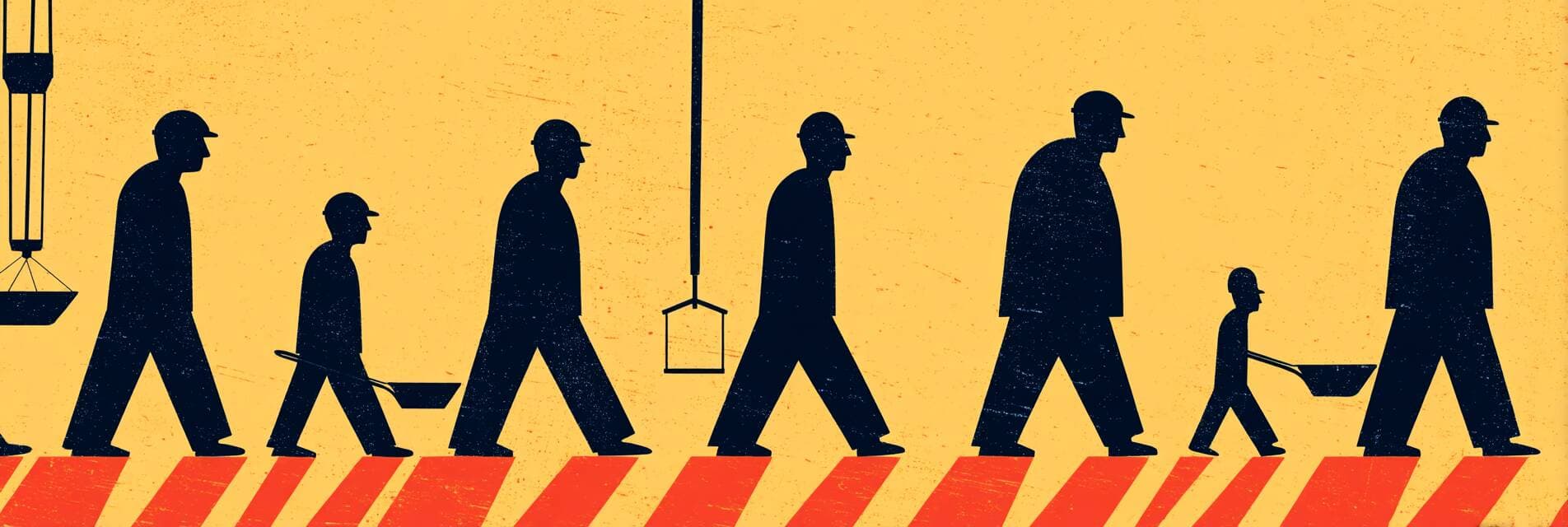
In 2023, more than 300 Texans died from heat, the most since the state began tracking. The grid that nearly collapsed du...
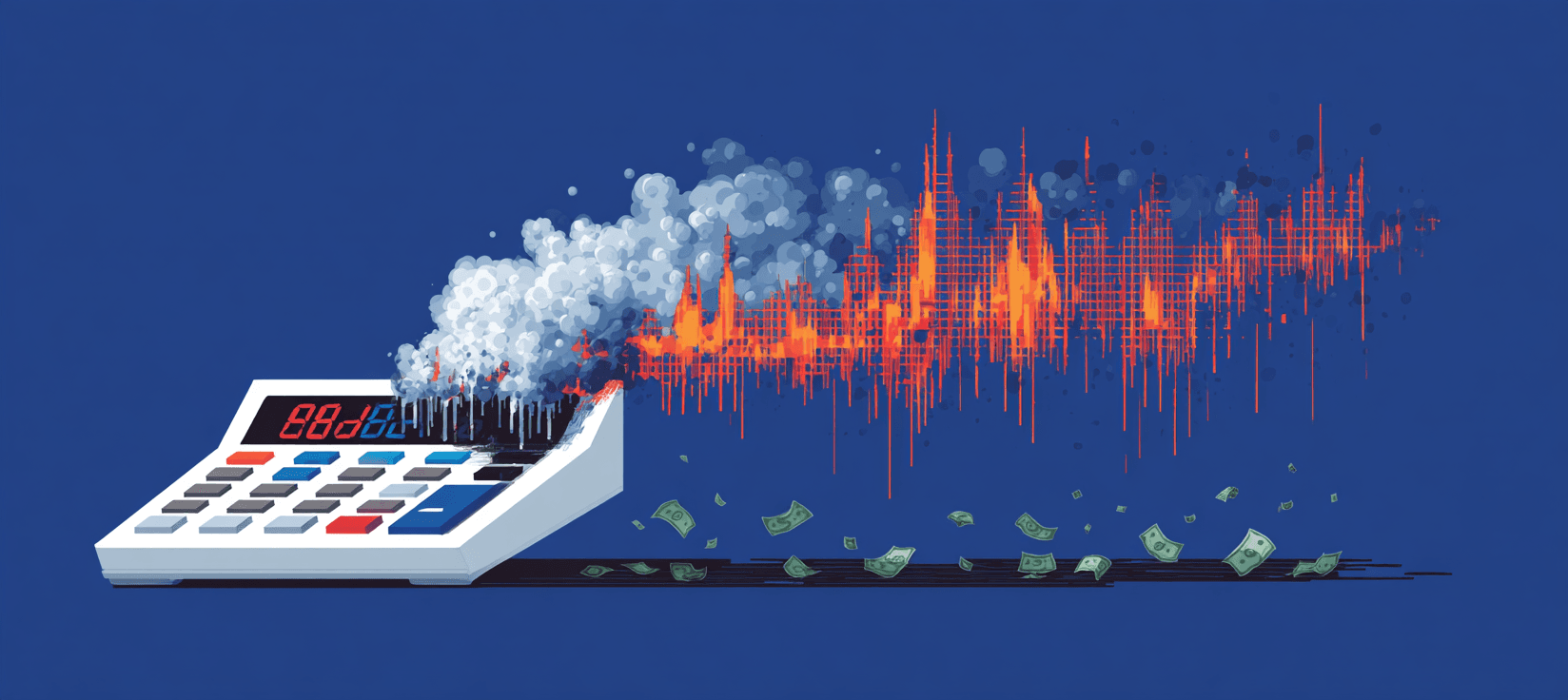
In 2023, San Antonio hit 75 days above 100°F. No president flew in. No anchors stood in anybody's yard. Insurance premiu...

Eighty-eight percent of the people who died indoors from heat in Maricopa County last year had an air conditioning unit ...