

The Stream the Bronx Couldn't Bury


In 1912, Bronx engineers diverted a freshwater stream into the city's sewer system. The marshes dried, the lots sold, the trains ran on schedule. The stream kept flowing. It still does. Four to five million gallons a day of clean water mixing with raw sewage beneath neighborhoods where families have sandbagged their basements for generations.
Now the city is spending $133 million to bring that water back above ground. A recent study found that one in five acres of New York sits on former waterways that still flood along their buried contours. The most expensive adaptation the Bronx has ever attempted is an effort to reverse the last one.
The Stream the Bronx Couldn't Bury
In 1912, Bronx engineers diverted a freshwater stream into the city's sewer system. The marshes dried, the lots sold, the trains ran on schedule. The stream kept flowing. It still does. Four to five million gallons a day of clean water mixing with raw sewage beneath neighborhoods where families have sandbagged their basements for generations.
Now the city is spending $133 million to bring that water back above ground. A recent study found that one in five acres of New York sits on former waterways that still flood along their buried contours. The most expensive adaptation the Bronx has ever attempted is an effort to reverse the last one.
London's Lost River

New York's buried streams have company. London's River Fleet, the city's largest subterranean waterway, was bricked over in stages between the 1730s and 1870s, each stretch converted to road or sewer. The streets that replaced it kept the memory: Fleet Street, Farringdon Road, New Bridge Street. The Great Northern Hotel at King's Cross physically curves to follow the old riverbank.
Camden's flood risk strategy still identifies those same streets as primary overflow routes when the Fleet sewer surcharges. Same path. Same water. London has roughly 25 buried rivers running beneath it, most absent from standard flood maps. Every one of them still tells water where to go.

Restoration and Its Costs
The Concrete Trap
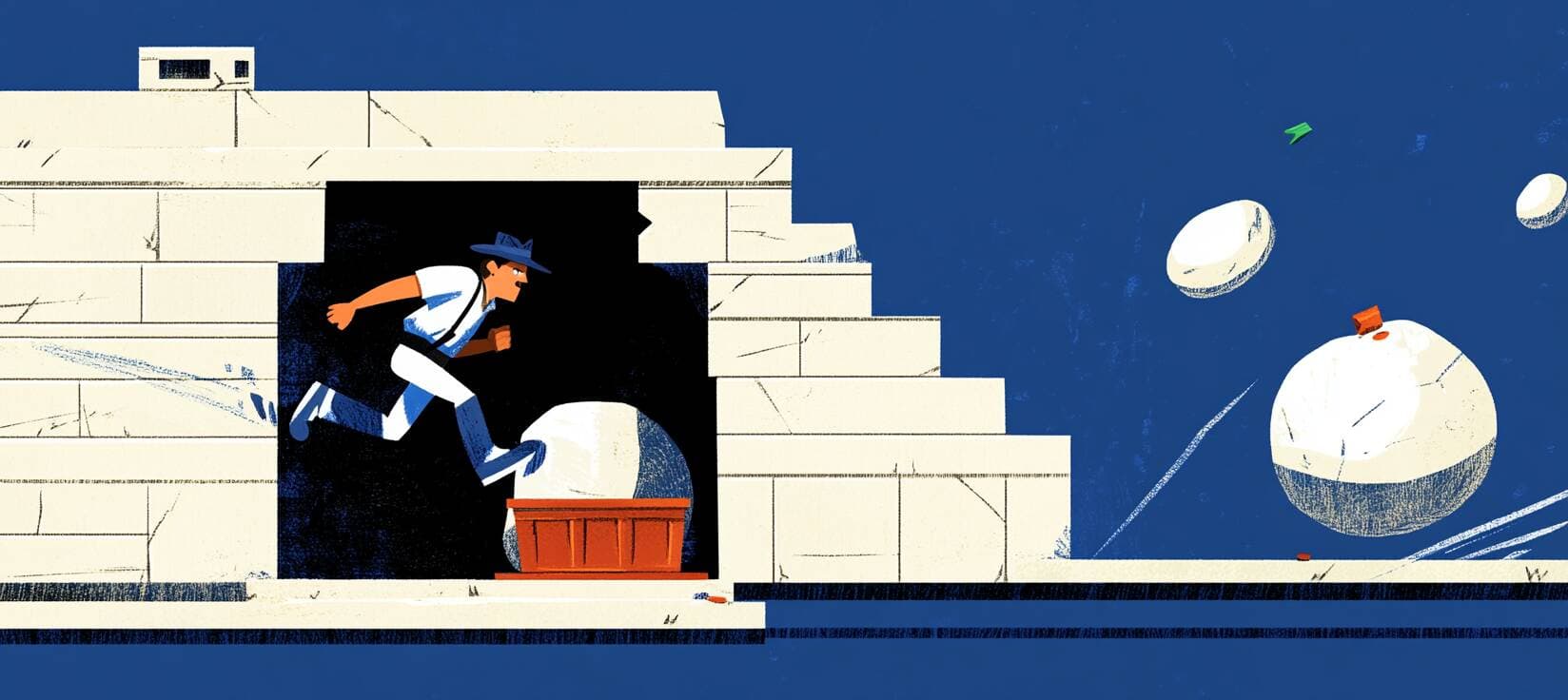
In 1938, the Los Angeles River killed 115 people and the city killed the river back, entombing it under 51 miles of concrete. Now Los Angeles wants its river returned. The concrete is right there, ready to be torn out. Except the channel that destroyed the ecosystem is the only thing keeping the city dry. Unburying a river is considerably harder than burying one, especially when you built your house on the grave.
Whose Stream
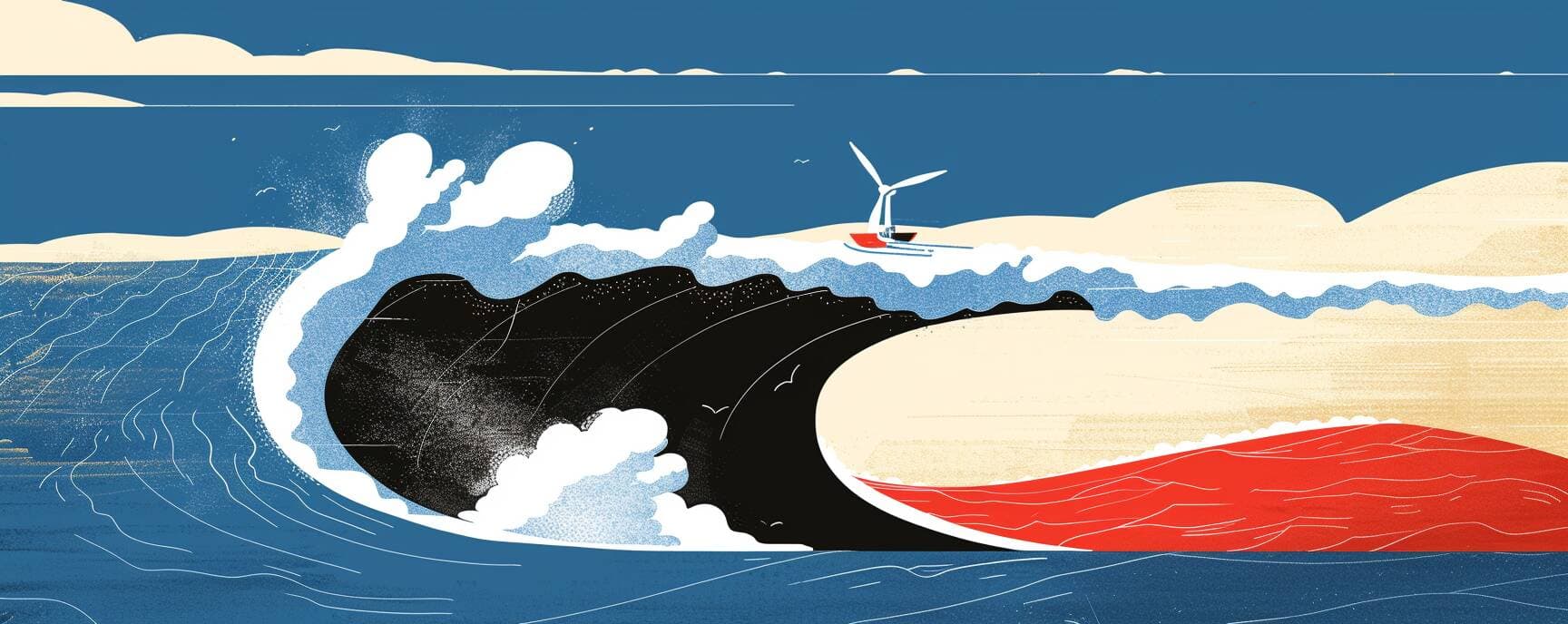
Seoul buried a stream under a highway and the world forgot about it. Then a mayor tore the highway out, daylighted the water, and won a presidency on the strength of what the brochures called ecological triumph. Property values soared. Biodiversity bloomed. Ten million visitors came in three months. The thousands of street vendors who'd scraped together livelihoods in the highway's shadow got something else entirely. You can unbury a stream and bury the people living above it.
Further Reading


Past Articles

In 1935 the federal government planted 220 million trees across the Great Plains to stop the soil from blowing to Washin...
By the early 1970s, the Netherlands was already building the dam that would seal the Oosterschelde estuary forever. Cons...
In January 1877, sixty-eight thousand people gathered on a plain outside Delhi to celebrate the British Empire's grandes...

A security guard jammed a chair through the door handles from inside. Outside, fishers who'd worked the Grand Banks thei...