

The Year They Left

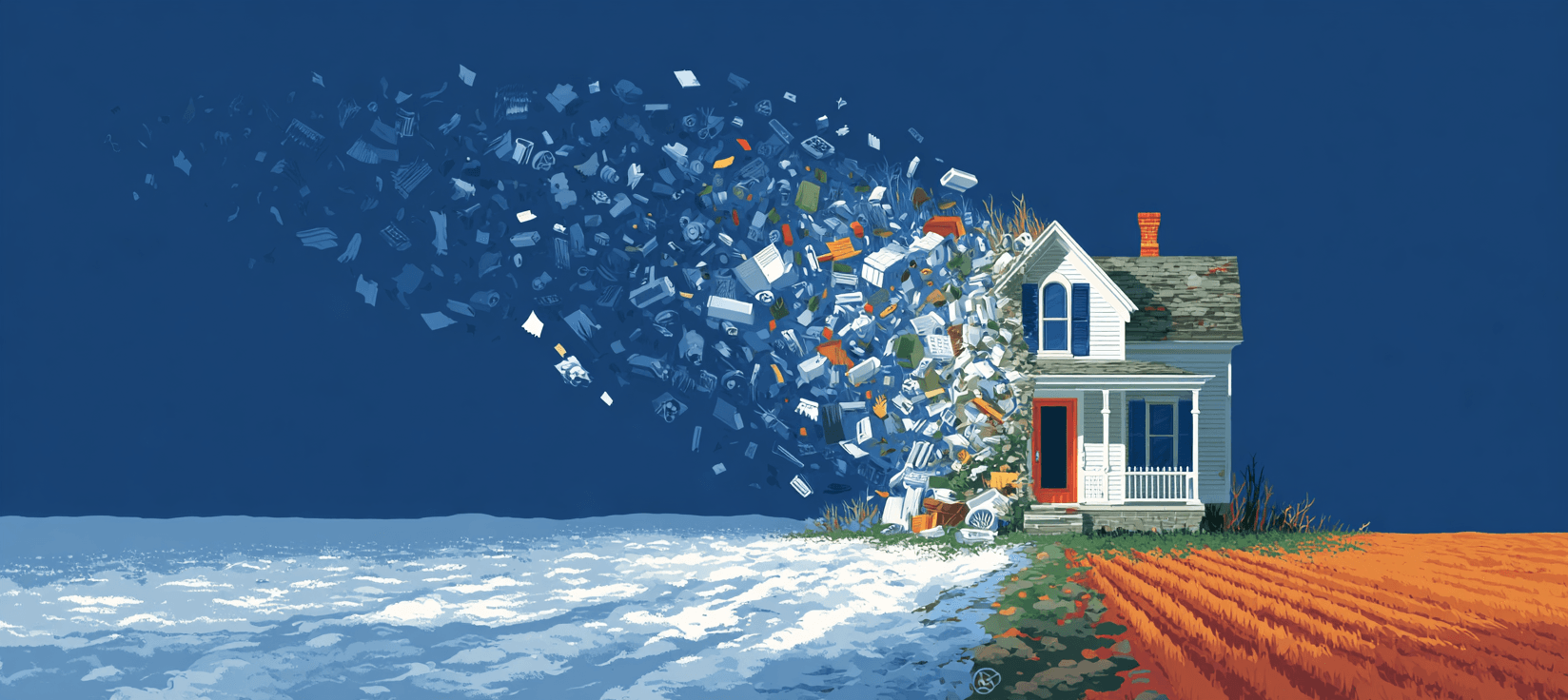
Some Vermont farmers had already shorn their sheep when the snow came on June 6, 1816. A few tried to tie the fleeces back on. It didn't work. You shear sheep in spring because that's when you shear sheep. The knowledge is so ordinary it doesn't register as knowledge until the morning it fails.
That summer, corn froze in June, snow fell in July, and nobody in New England could say why. No framework, no science, no explanation that told you whether next year would be the same. Families had to decide anyway. Thousands of them did. What they decided reshaped the country, and the calculus they used hasn't changed much since.
The Year They Left
Some Vermont farmers had already shorn their sheep when the snow came on June 6, 1816. A few tried to tie the fleeces back on. It didn't work. You shear sheep in spring because that's when you shear sheep. The knowledge is so ordinary it doesn't register as knowledge until the morning it fails.
That summer, corn froze in June, snow fell in July, and nobody in New England could say why. No framework, no science, no explanation that told you whether next year would be the same. Families had to decide anyway. Thousands of them did. What they decided reshaped the country, and the calculus they used hasn't changed much since.
Cause and Cascade
Eighteen-Hundred-and-Froze-to-Death
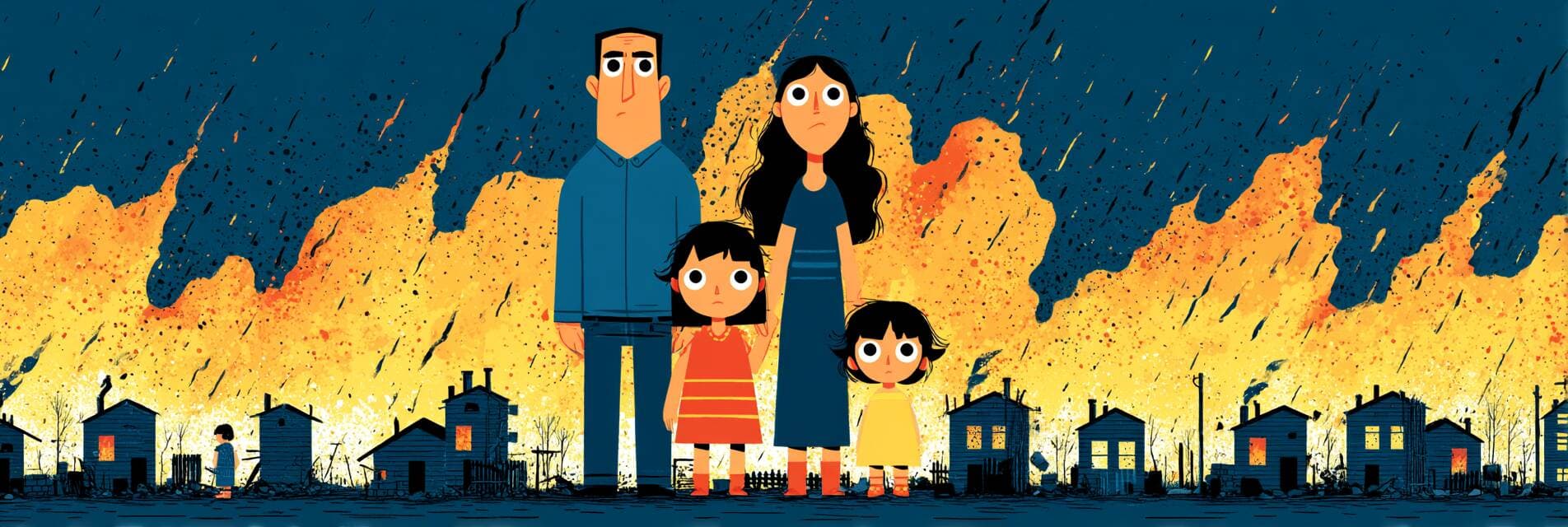
In 1815, a volcano nine thousand miles away erased summer from New England. Snow buried Vermont in June. Crops failed. Grain prices quadrupled. The cause wouldn't be scientifically understood for another century and a half. Nobody had a theory, a government pamphlet, or an expert to consult. What they had was empty nets and freezing livestock and families to feed.
Rain Follows the Plow
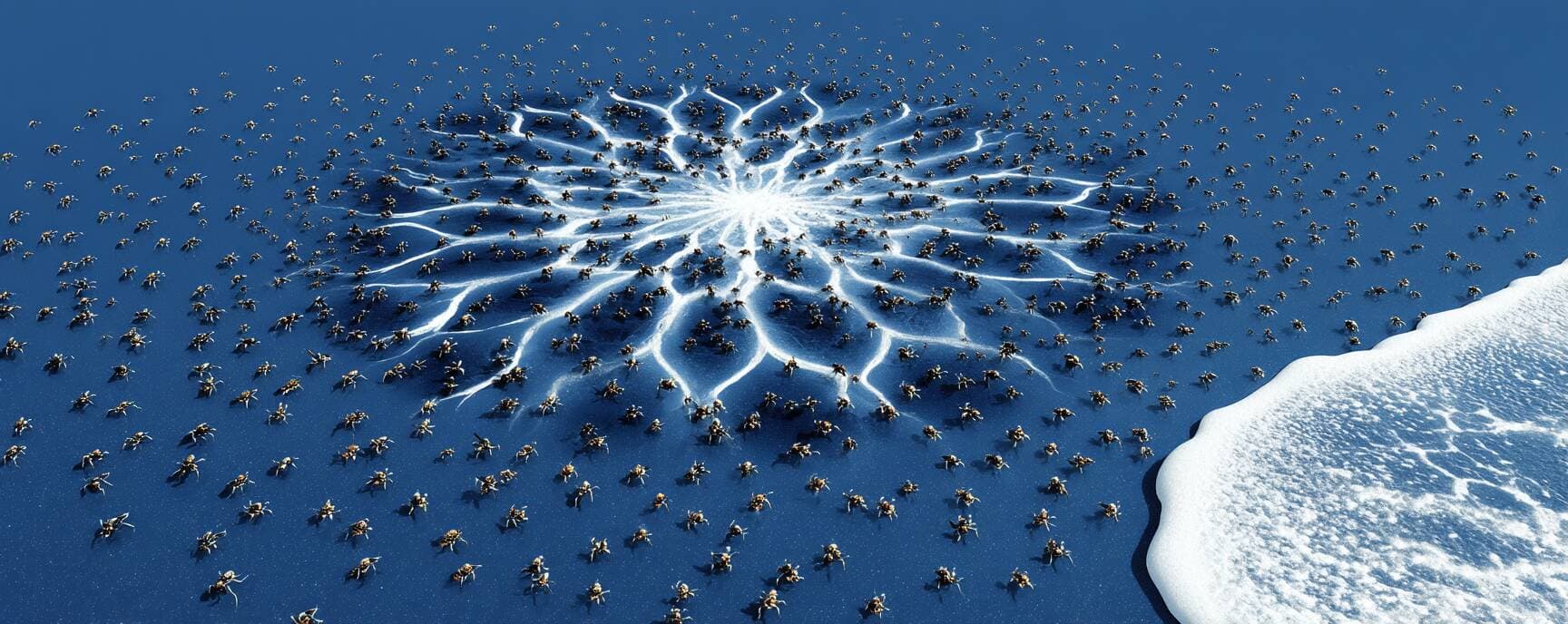
The New Englanders who froze in 1816 had no model for what was happening to them. Seventy years later, settlers plowing western Kansas had a beautiful one, complete with credentialed scientists, government surveys, and railroad-funded pamphlets all confirming that cultivation itself would make it rain. The scientists had credentials. The railroads had 183 million acres to sell. The families who believed them had everything to lose.
The Ghost Story
By June 1816, crops were rotting across Europe in fields that never warmed. Bread prices doubled. Typhus followed famine through East Anglia and southern Germany. Nobody knew why. Mount Tambora had erupted ten thousand miles away the previous April, lofting sulfur into the stratosphere, but that connection wouldn't be understood for another century and a half.
On Lake Geneva, five young English writers sat trapped by cold rain that would not stop. Byron, bored, proposed a ghost story competition. Mary Godwin was eighteen. She couldn't sleep. Around two in the morning on June 16th, she dreamed of a man kneeling beside a thing he had assembled and could not govern.
She started writing the next morning. What she produced was, arguably, the first work of climate fiction, composed inside a climate catastrophe no one alive could name.

Further Reading
Past Articles
Hurricane Andrew bankrupted sixteen insurance companies in 1992 and proved the industry couldn't absorb mega-disaster ri...
Justice Anthony Kennedy interrupted oral arguments with a question that made everyone bristle. Forty-two briefs filed. E...
Every dimension of a New Orleans shotgun house is a calculation about heat. Twelve feet wide, rooms in a line, transom w...
In 1975, Wangari Maathai set up a booth at Nairobi's agricultural show with tree seedlings. People stopped, asked q...