

How San Francisco's 1906 Earthquake Created the Template for Climate Insurance Retreat


Captain Leonard D. Wildman watched San Francisco residents torch their own earthquake-damaged homes in late April 1906. A fireman explained: insurance only paid if buildings burned, not if they cracked. Eighty percent of the city was already gone.
Hartford Fire Insurance held $7 million in reserves against $11 million in claims. Fireman's Fund: $7 million against $11.5 million. Most policies excluded earthquake damage but covered fire. The city had burned four days after shaking less than a minute. In boardrooms across San Francisco, executives stared at arithmetic that bankrupted everyone or no one.
How San Francisco's 1906 Earthquake Created the Template for Climate Insurance Retreat
Captain Leonard D. Wildman watched San Francisco residents torch their own earthquake-damaged homes in late April 1906. A fireman explained: insurance only paid if buildings burned, not if they cracked. Eighty percent of the city was already gone.
Hartford Fire Insurance held $7 million in reserves against $11 million in claims. Fireman's Fund: $7 million against $11.5 million. Most policies excluded earthquake damage but covered fire. The city had burned four days after shaking less than a minute. In boardrooms across San Francisco, executives stared at arithmetic that bankrupted everyone or no one.
When Nine Failed

Hurricane Andrew made landfall on August 24, 1992. Insurers had modeled $4 billion in losses. The actual bill: $16 billion. Nine insurance companies collapsed within a year, most of them Florida-only carriers that thought they understood their market.
The Florida Legislature's emergency response created what became Citizens Property Insurance Corporation. The state stepped in as insurer of last resort. It was supposed to be temporary.
By 2022, Citizens covered $423 billion in property value. It had become Florida's largest insurer.
That pattern is now spreading. California, Louisiana, Texas, North Carolina. Private insurers retreat, state-run programs absorb the risk nobody else will take.

Two Innovations
When the Red Cross Broke Under the Weight of a Flood
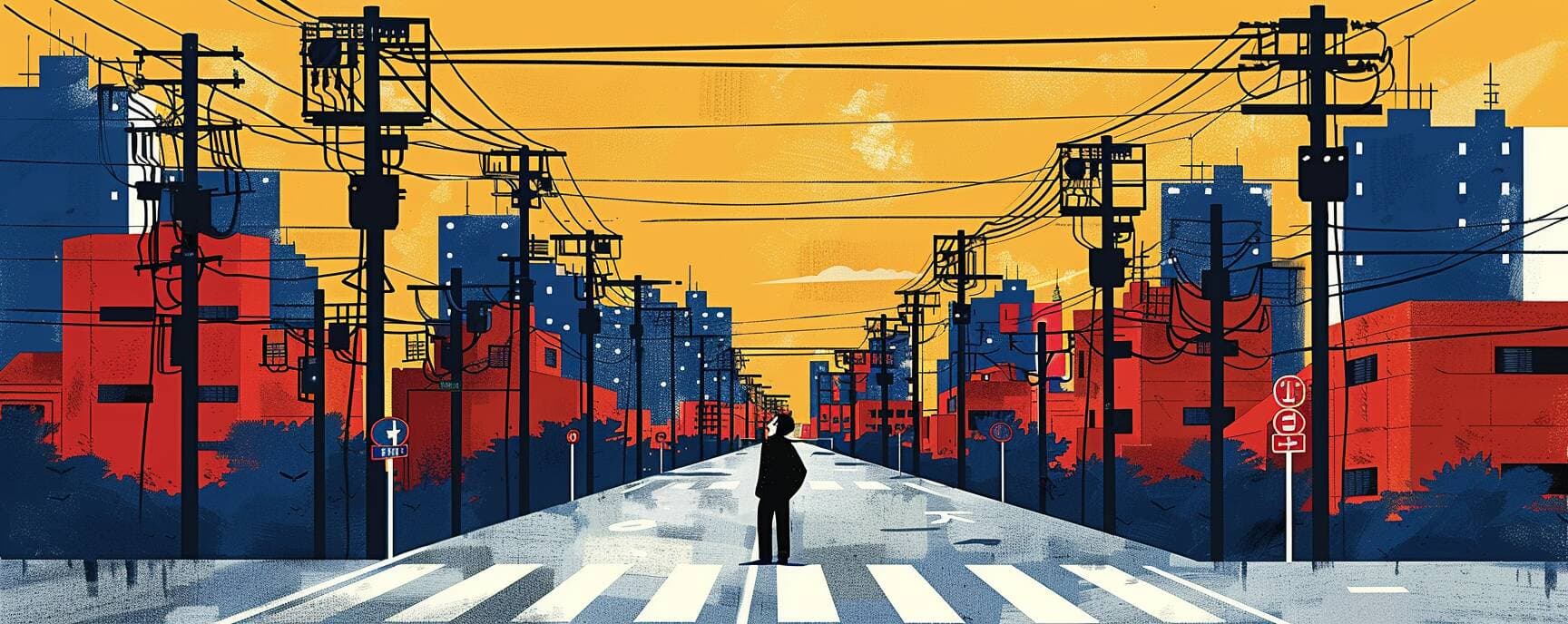
The Mississippi River broke through at Mounds Landing on April 21, 1927—a breach 3,960 feet wide, ten feet of water covering a million acres in ten days. President Coolidge said the Red Cross would handle it. The Red Cross couldn't handle it. Thirteen months later the federal government was in the disaster relief business. Ninety-seven years later we're still paying people to rebuild in flood zones because Washington always covers the bill.
The Hurricane That Made Disaster a Tradable Asset
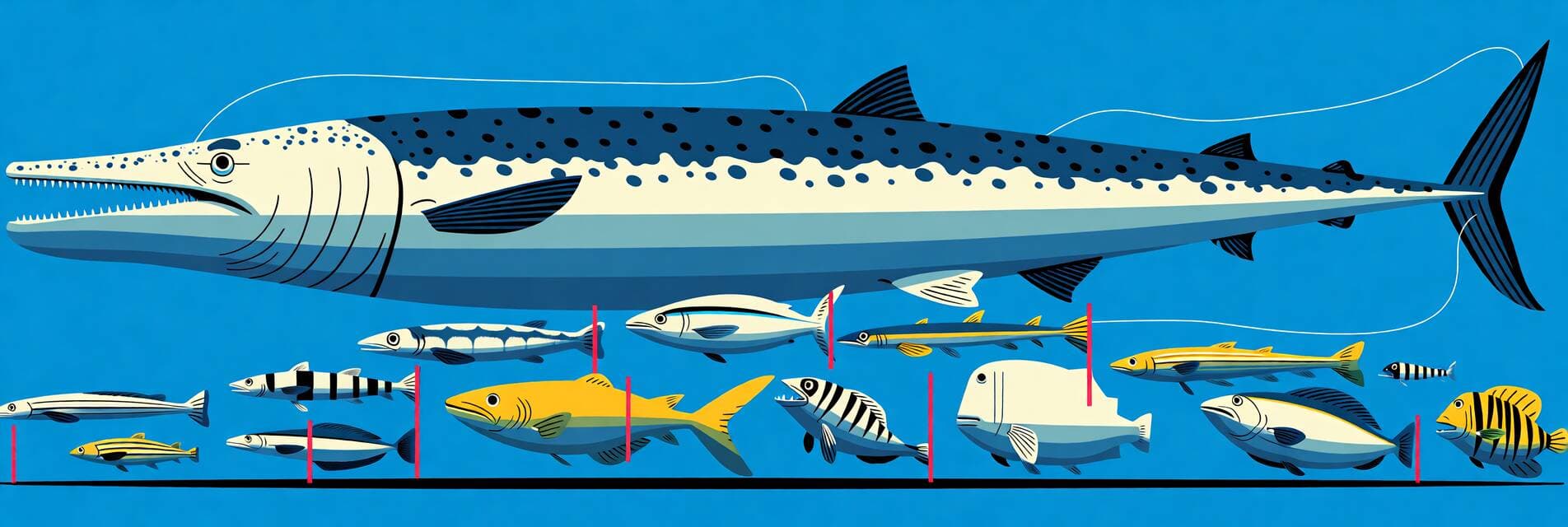
Hurricane Andrew bankrupted sixteen insurance companies in 1992 and proved the industry couldn't absorb mega-disaster risk alone. Two years later a Hannover Re executive riding the London Underground conceived the solution: sell disaster risk to capital markets through bonds. Swiss Re issued the first one in 1995. Florida's population grew fifty-one percent over the next two decades, high-rises tripling in Miami-Dade, because global investors were now absorbing the hurricane risk.
The Breaking Points


Past Articles

In 1975, Wangari Maathai set up a booth at Nairobi's agricultural show with tree seedlings. People stopped, asked q...
Seventy-five thousand Ruhr Valley miners walked off the job in January 1923. Not for wages. Not for safety. Not for...
The goats died first in 1972, then the sheep, then the cattle across northern Mali. Tuareg families who had followed...
Justice Anthony Kennedy interrupted oral arguments with a question that made everyone bristle. Forty-two briefs filed. E...