
Dr. Melissa Barber keeps coming back to the same question: What do you do when you finally have proof?
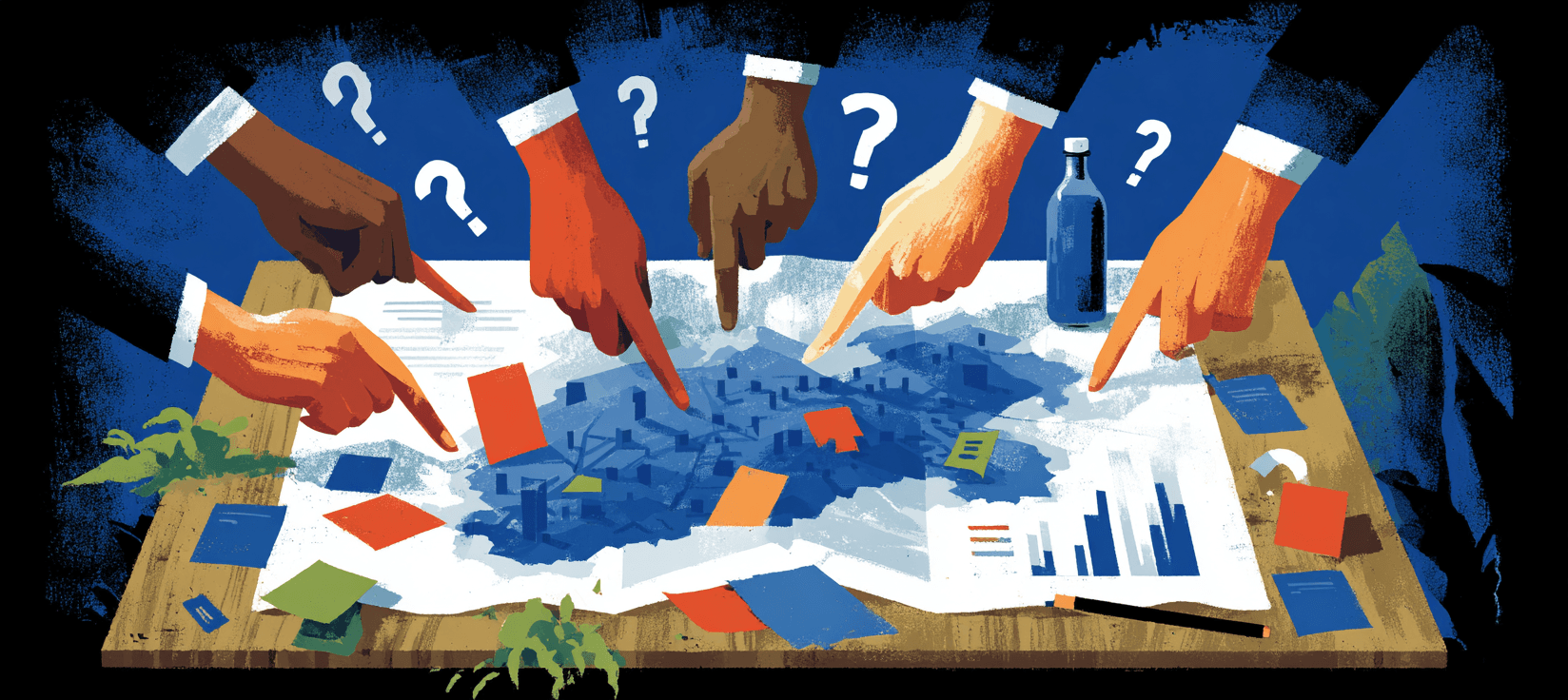
South Bronx Unite spent months organizing volunteers to map heat across their neighborhood. They recruited residents from the blocks where heat hits hardest, trained them to mount sensors on their cars, coordinated three rounds of data collection on one of the hottest days last summer. Now they have the numbers—temperature readings taken every second as volunteers drove through streets they've lived on for years, walked to work on, waited for buses on. The data confirms what everyone already knew from experience: their neighborhood is significantly hotter than wealthier areas just blocks away.
Barber, who cofounded South Bronx Unite, has been meeting with other organizers to figure out what comes next. They have hard data now. They can point to specific intersections, specific temperature differentials, specific correlations between tree canopy and heat exposure. The question is how to use it.
"When people take ownership of a project, it changes the way they interact with a project, it changes the way they interact with the data, and it changes what it means for them to be a part of the conversation."
The volunteers weren't just data collectors. They're the scientists who get to determine what happens with what they found.
Which means the pressure is different now. The group has been having conversations about strategy—immediate interventions versus structural change, what city officials will actually respond to, what fights are worth picking now versus later. These aren't abstract debates. Many of the people in the room can speak personally to what heat means in their community. One participant described walking from 122nd and 3rd Avenue to the Upper East Side: "It's just a different world."
The research context shows what's possible. Other cities have used heat mapping data to secure funding for interventions:
- Las Vegas added shade structures at bus stops
- Raleigh piloted reflective roadway coatings that reduce air temperature by seven degrees
- Richmond's Chesapeake Bay Foundation marshaled almost a million dollars toward community-driven tree planting using their mapping data
Those examples reveal the range of responses—from tactical fixes like bus stop shading to systemic changes like zoning amendments. South Bronx Unite is trying to figure out where they fit on that spectrum, what their community needs most urgently, what they have the political leverage to win.
The group plans to use their data to have conversations with elected officials about implementing policy changes. That's the long game—using temperature measurements to advocate for different development patterns, for requirements that new construction doesn't make the heat island worse, for investment in green infrastructure in neighborhoods that have been systematically denied it.
Then there's the immediate reality of people waiting at bus stops in measured heat, of residents without air conditioning in apartments that trap warmth, of health impacts that show up in emergency room data. The mapping revealed specific hot spots. Places where intervention could provide relief next summer.
How do you sequence advocacy? How do you build momentum from quick wins toward structural change? How do you keep pressure on multiple fronts simultaneously? The group has been working through these questions in meetings that feel more like strategy sessions than scientific debriefings.
The specificity of the data changes what's possible. When South Bronx Unite talks to elected officials now, they're not making general arguments about environmental justice. They're showing temperature readings from specific blocks, demonstrating measurable inequalities, pointing to correlations between historical disinvestment and current heat exposure. The data provides what one organizer called "hard data" to advocate for green space in development planning.
The science is embedded in lived experience in a way that changes the conversation. Volunteers didn't just collect abstract measurements. They drove through their own neighborhoods watching numbers climb and fall with the landscape, noticing which blocks had tree cover and which didn't, seeing the correlation between what they measured and what they'd felt for years. Rev. DeForest Raphael, who conducted research in the South Bronx, was part of that process—residents becoming researchers in their own environment.
Barber emphasizes that this approach is essential:
"If we study climate justice and social inequities, you can't do that without involving communities that are most marginalized, that are completely disproportionately affected."
The mapping campaign wasn't extractive research where outside experts collect data and leave. It was designed so that community members would own both the process and the results.
That ownership shapes what happens next. The group isn't waiting for city officials to decide what interventions make sense. They're developing their own proposals, informed by what they learned during the mapping and by what they know about their neighborhood's needs. They're identifying which elected officials might be allies, which city agencies have relevant authority, which advocacy coalitions already exist that they can connect with.
The South Bronx has been fighting for environmental justice for decades—against waste facilities, against highway expansion, for cleaner air. Heat is another front in that ongoing struggle, but it's also an opportunity. Climate adaptation funding is increasingly available. Cities are starting to develop heat action plans. There's growing recognition that extreme heat is an environmental justice issue, not just a weather problem.
South Bronx Unite is trying to position their data within that shifting landscape. They're not just asking for shade structures. They're making the case that addressing urban heat requires rethinking development patterns, that cooling their neighborhood means confronting the historical decisions that created these inequalities in the first place.
Translating temperature measurements into political leverage—that's the work now. The numbers prove inequality exists. They don't automatically generate the political will to address it. That requires organizing. Building coalitions, maintaining pressure, connecting heat to other environmental justice issues, demonstrating community support for specific interventions.
The group is planning presentations for community board meetings, preparing materials for conversations with city council members, coordinating with other environmental justice organizations across the city. The mapping campaign was one phase. Now comes the harder work of turning data into actual change.
What they have that they didn't before is specificity. Not general claims about environmental injustice, but precise measurements of temperature differentials between their neighborhood and wealthier areas. Not anecdotes about heat exposure, but GPS-tagged data points showing exactly where the hottest spots are. Not assumptions about what might help, but evidence from other cities about what interventions actually work.
Barber and other organizers are clear-eyed about what data can and can't do. It doesn't solve political problems. It doesn't overcome institutional resistance to change. It doesn't automatically shift power dynamics. But it does provide a tool—evidence that's hard to dismiss, numbers that demand response, proof that inequality is measurable and therefore addressable.
What to emphasize in the first meeting with elected officials. Whether to focus on immediate relief or structural change. How to build momentum from data collection toward implementation. What coalition partners they need. What funding sources exist. What timeline is realistic. These conversations are ongoing.
The mapping campaign involved 81 community scientists across New York and New Jersey. Those volunteers are now part of the organizing base—people who spent hours driving routes, who understand the methodology, who can speak to what they found. That collective effort created both data and organizing capacity.
South Bronx Unite isn't working in isolation. They're connected to a broader movement of communities using heat mapping to advocate for change. The research shows that since 2017, more than 80 communities have participated in these campaigns. Each one faces similar questions about what to do with their results, how to translate measurements into action, what interventions are achievable versus what's necessary.
The data belongs to the community that collected it. They're not just subjects of research. They're the scientists who get to determine what it means and what happens next.
The South Bronx's heat inequalities are mapped, measured, documented. The community that collected it is deciding how to use it. The conversations with elected officials are coming.
Things to follow up on...
-
Hennepin and Ramsey Counties: More than 200 volunteer community scientists collected heat data across the Twin Cities metro area in July 2024, representing one of the larger recent mapping campaigns.
-
Charlotte's first campaign: Charlotte Heat Mappers coordinated the city's inaugural heat island mapping effort in 2024, with volunteers tracking down the hottest neighborhoods for the first time.
-
Durham's educational response: Durham public schools worked with local partners to create a curriculum for middle and high school students that expands on the heat mapping campaign and allows them to analyze heat data on their own campuses.
-
Grand Junction's weather challenges: The Colorado city's July 2024 campaign initially occurred on July 20th, but rain made afternoon data unusable, so City staff completed the mapping a few days later on July 24th.