

The King Who Thought About Forever Three Months Before His Army Got Slaughtered


May 29, 1346. Philip VI of France issues an ordinance requiring his kingdom's forests to sustain themselves perpetually—forever, the decree says—because France has lost half its woodland in three centuries and somebody needs to think past the immediate crisis. Three months later his army gets butchered and he spends his final years watching everything collapse. What happened to the forest decree? That's where it gets interesting.
The King Who Thought About Forever Three Months Before His Army Got Slaughtered
May 29, 1346. Philip VI of France issues an ordinance requiring his kingdom's forests to sustain themselves perpetually—forever, the decree says—because France has lost half its woodland in three centuries and somebody needs to think past the immediate crisis. Three months later his army gets butchered and he spends his final years watching everything collapse. What happened to the forest decree? That's where it gets interesting.

An Interview with the Man Who Watched Chicago Burn Twice and Finally Got Mad About It
CONTINUE READINGHistory Echoes This Week

COP30 wrapped last week with pledges that nudged warming projections from 2.6-2.8°C down to 2.3-2.5°C. Most of that improvement comes from methodological adjustments, not new commitments. The UN Secretary-General's frustrated declaration that "it's no longer time for negotiations" sounds familiar because we've watched this movie before.
The Montreal Protocol achieved something climate negotiations haven't: universal ratification, 98% phase-out of targeted chemicals, a healing ozone layer. It worked because countries agreed to ban specific substances on specific timelines, funded developing nations to comply, and created targets everyone could verify.
Kyoto exempted most of the world from reductions. Seventeen of thirty-six participating countries missed their targets anyway. Global emissions rose 44% during the treaty period. COP30's minimal progress follows Kyoto's pattern, not Montreal's.
Historical Climate Insights
Archaeology Shows Successful Climate Adaptation Worth Copying
Past societies developed adaptation strategies we could actually use today, not just study.
Cultural systems and human responses, despite archaeology's rich evidence of what actually worked.
Historical Climate Insights
Infrastructure Fails When Disasters Exceed Design Limits
Building for historical extremes leaves you vulnerable when climate exceeds those parameters.
Governance improvements and integrated planning, not just bigger infrastructure investments.
Historical Climate Insights
Byzantine Prosperity During Climate Stress, Then Collapse
Societies withstand climate stress until compounding political and social tensions overwhelm adaptive capacity.
Climate impacts never operate separately from the political and social systems determining vulnerability.
Historical Climate Insights
Medieval Europe Avoided Famine Through Agricultural Diversity
Even medieval societies avoided climate-driven famine through agricultural diversity and economic flexibility.
Climatic extremes combined with societal vulnerabilities, rarely climate stress alone.
Past Articles

Lois Gibbs's hand rose toward her neighbor's door in spring 1978. The petition trembled. Who was she to demand acti...

My mother tracked storm systems days out—pressure gradients, trajectory calculations, knowing when weather would hit be...

Keep circling back to those Spanish water judges in 1570s Peru who looked at fourteen-century-old canal systems and ...
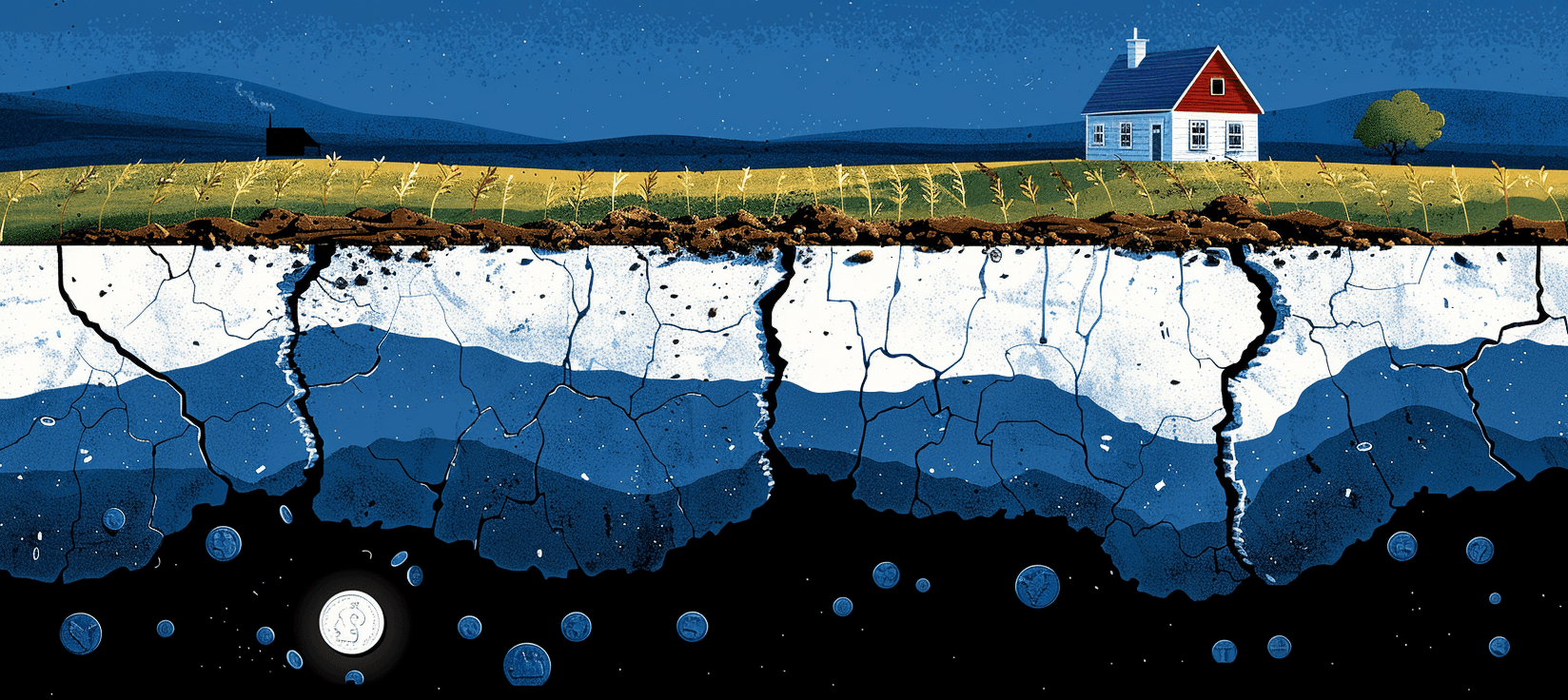
The man offered fifty cents an acre for rocks you couldn't see and couldn't use. Your corn was bringing thirty cents...