

What a Decade of Climate Costs Looks Like in San Antonio

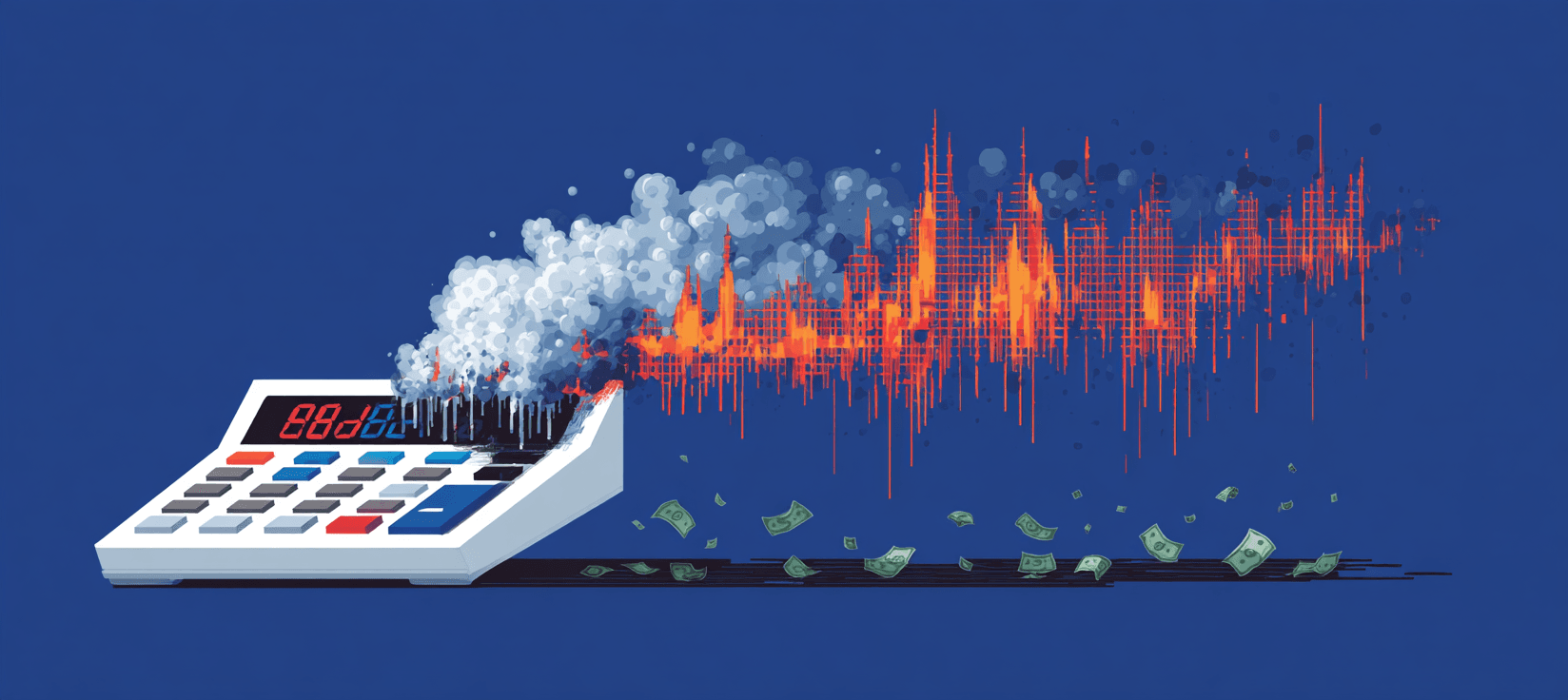
In 2023, San Antonio hit 75 days above 100°F. No president flew in. No anchors stood in anybody's yard. Insurance premiums climbed double digits, a surcharge from a freeze two winters back kept printing on every electric bill, and heat exhaustion cases more than doubled in a single season. The city just got quietly, relentlessly more expensive.
San Antonio's climate story has no dramatic arc. The tab runs across insurance, electricity, hospital visits, and flood exposure simultaneously, in a city that doesn't count certain deaths and doesn't publish certain data. It has been arriving in the mailbox for a decade.
What a Decade of Climate Costs Looks Like in San Antonio
In 2023, San Antonio hit 75 days above 100°F. No president flew in. No anchors stood in anybody's yard. Insurance premiums climbed double digits, a surcharge from a freeze two winters back kept printing on every electric bill, and heat exhaustion cases more than doubled in a single season. The city just got quietly, relentlessly more expensive.
San Antonio's climate story has no dramatic arc. The tab runs across insurance, electricity, hospital visits, and flood exposure simultaneously, in a city that doesn't count certain deaths and doesn't publish certain data. It has been arriving in the mailbox for a decade.
The Research
$10.2 Trillion in Damages Traced to U.S. Emissions Since 1990. The Researchers Say That Number Is a Floor.
Most government estimates sit far lower. Burke's model connects specific national emissions to documented GDP losses across 143 countries.
Climate liability lawsuits seeking to hold emitters accountable for quantified damages just got a peer-reviewed attribution methodology published in Nature.
The Research
900 Hours a Year: The Physiological Model Measuring How Much Safe Outdoor Time Has Already Vanished
Not heatstroke weather. Hours when sweeping a porch or walking to a mailbox pushes a body past its physiological cooling limits.
The southern U.S. has already shed hundreds of safe outdoor hours. Nearly 78% of the world's older adults live in severe-limitation zones.
The Accruing Interest

Solomon Hsiang's analogy is blunt: CO₂ is garbage we never paid to dispose of, and the bill accrues interest. Burke et al. quantify that interest. One tonne emitted in 1990 caused roughly $180 in global damages by 2020. That same tonne will inflict approximately $1,840 more through 2100. Ten times the cost already incurred, from emissions already in the atmosphere.
The crop losses, the productivity declines, the insurance premiums climbing every renewal cycle. All of it represents about a tenth of what those same emissions will ultimately cost. The compounding doesn't stop because we've stopped emitting. CO₂ lingers for centuries, suppressing economic output each year it persists. The bill is mostly still ahead of us.
Further Reading

Past Articles

On September 5, 2025, Denver had the worst air quality in the nation. No fire burned within hundreds of miles. No evacua...

Rain at 10,000 feet in the Idaho Sawtooths. Rain in the Bridger Range above Bozeman, midwinter, where snowpack is suppos...

In Maricopa County last summer, more than half the people who died from heat died on days the system classified as moder...

In Western fire country, every decision traces back to a number. Whether a prescribed burn gets approved in Jackson Coun...