

The Letter Nobody Asked For


Kim Roberson wrote the letter in April because somebody had to explain what the numbers meant for Lawrence County, Alabama. The interim CEO of Lawrence Medical Center knew the language hospital administrators use. She cited patient volumes. She mentioned the aging facility. She noted that expenses exceeded revenue. She made it sound like mathematics. Somewhere in Lawrence County, 33,000 people away from the nearest emergency room, someone would need help after dark.
The Letter Nobody Asked For
Kim Roberson wrote the letter in April because somebody had to explain what the numbers meant for Lawrence County, Alabama. The interim CEO of Lawrence Medical Center knew the language hospital administrators use. She cited patient volumes. She mentioned the aging facility. She noted that expenses exceeded revenue. She made it sound like mathematics. Somewhere in Lawrence County, 33,000 people away from the nearest emergency room, someone would need help after dark.

The Drilling Supervisor Who Believed in Transferable Skills
CONTINUE READINGThis Week's System Shock

Montana's Supreme Court ruled December 18 that state agencies must evaluate climate impacts before issuing permits for fossil fuel projects, industrial facilities, and major infrastructure. The decision strikes down a law that had barred regulators from considering greenhouse gas emissions.
For anyone living near a proposed mine, power plant, or industrial site, this changes what information gets weighed before approval. Projects face additional review with no established timeline. Developers confront new costs and uncertainty. Communities gain leverage to challenge proposals based on climate harm.
The ruling also opens previously approved projects to legal challenge if they bypassed climate scrutiny. One dissenting justice questioned whether plaintiffs proved concrete personal injury, signaling the legal framework remains contested.
What Mainstream Coverage Misses


Research Reshaping Risk Calculations
Historical Heat Events Could Kill Thousands at 1.5°C
Adaptation effective for typical summer heat fails catastrophically when 2003-level extremes return.
Mass casualty events remain plausible at temperatures we'll likely reach within decades.
Research Reshaping Risk Calculations
Precise Wildfire Data Keeps Insurance Markets Functioning
Your insurance outcome depends less on actual risk than which company's model covers your area.
Improved public climate data infrastructure beats rate regulation for keeping insurers in the market.
Research Reshaping Risk Calculations
Climate-Resilient Infrastructure Returns Four Dollars Per Dollar Spent
Traditional cost comparisons miss lifecycle returns from avoided disruption and faster recovery.
Communities treating resilience as optional expense are leaving money on the table.
Research Reshaping Risk Calculations
Flood Maps Miss Compound Risk from Multiple Drivers
Your property can flood badly despite sitting outside every mapped floodplain.
Building codes addressing single flood drivers are inadequate for compound events already happening.
Past Articles

Lonnie Click, fire chief for Benton County, Washington, has a phone number for BNSF Railway. Once a month during fir...

The letter from Citizens Property Insurance gives Carmen Ruiz thirty days. She's being transferred to a company call...

The phone call lasted ninety seconds. On one end, a furniture distributor explaining why his shipments needed to mov...
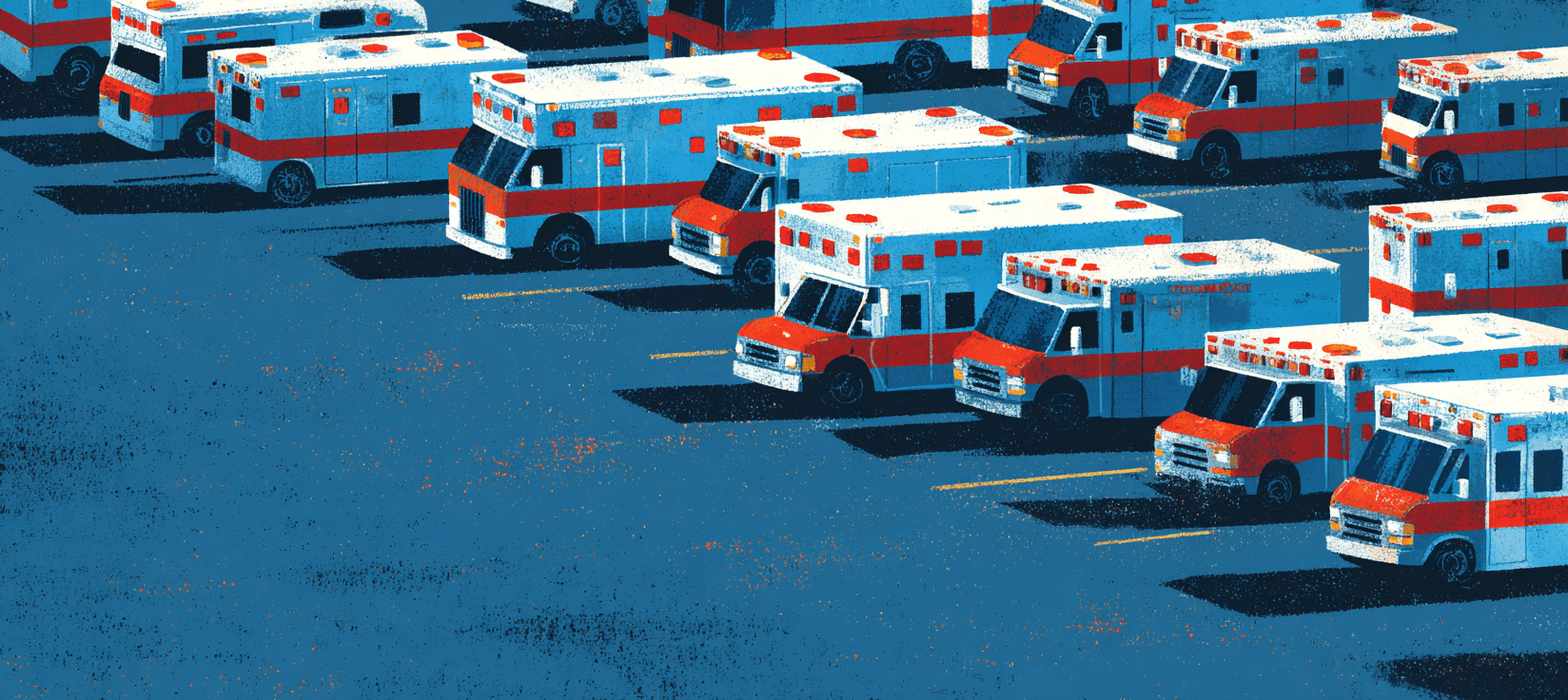
The paramedic had been sitting in his rig outside the Houston hospital for two hours and forty minutes. His patient...