

When Eight Farmers Chose Cooperation Over Competition
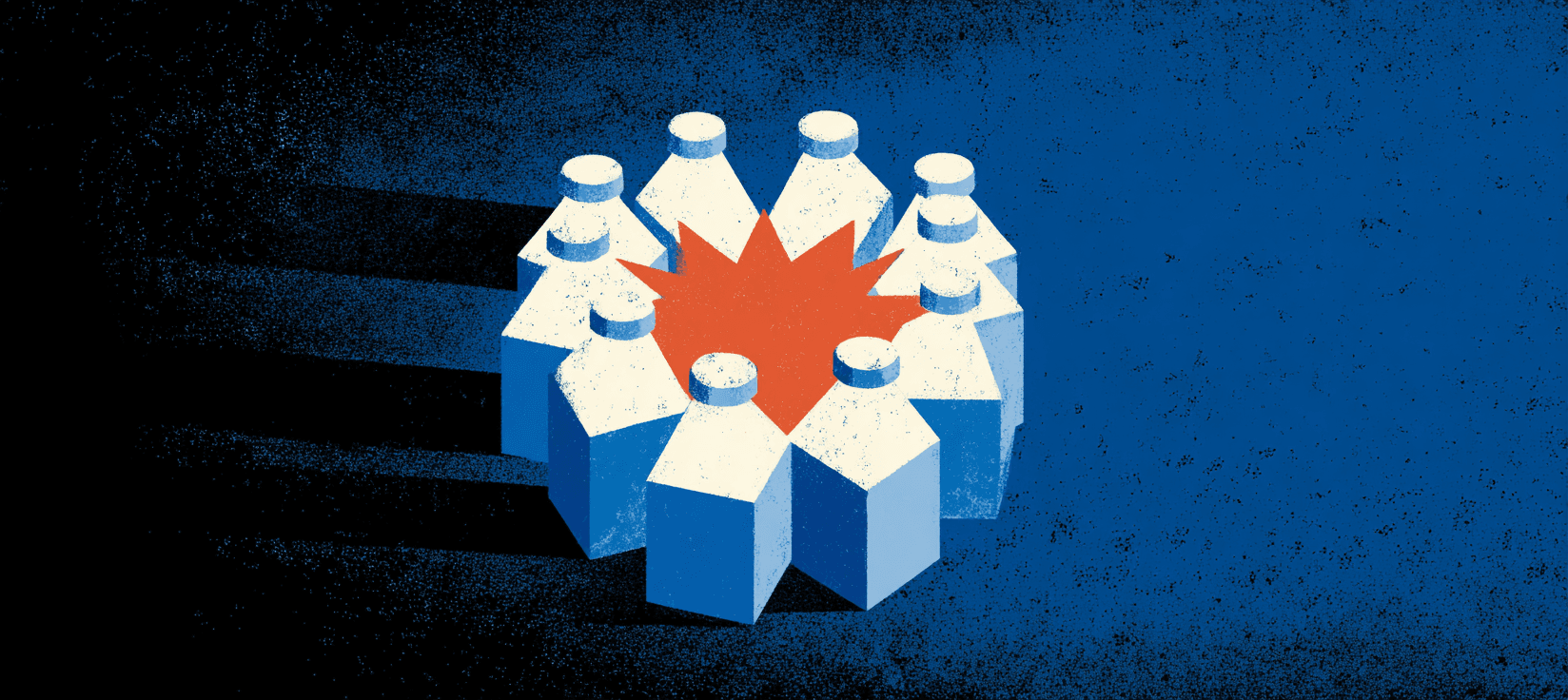
For thirteen years, John Mathieson sold milk to Dunedin merchants at whatever price they offered. By August 1871, he'd had enough. He called his neighbors to his barn on the Otago Peninsula. Eight dairy farmers came. They talked for hours about a choice that would change who controlled their survival.
We know John's name because he owned the farm where they met. The other seven farmers who made the same decision that night—who debated the same risks, who put up the same money—history erased them. When communities choose collective action under pressure, whose agency gets remembered shapes what we think we know about adaptation.
When Eight Farmers Chose Cooperation Over Competition
For thirteen years, John Mathieson sold milk to Dunedin merchants at whatever price they offered. By August 1871, he'd had enough. He called his neighbors to his barn on the Otago Peninsula. Eight dairy farmers came. They talked for hours about a choice that would change who controlled their survival.
We know John's name because he owned the farm where they met. The other seven farmers who made the same decision that night—who debated the same risks, who put up the same money—history erased them. When communities choose collective action under pressure, whose agency gets remembered shapes what we think we know about adaptation.

The Last Man Standing in the Dust Bowl Explains Why He Never Left
CONTINUE READINGHistory Echoes This Week
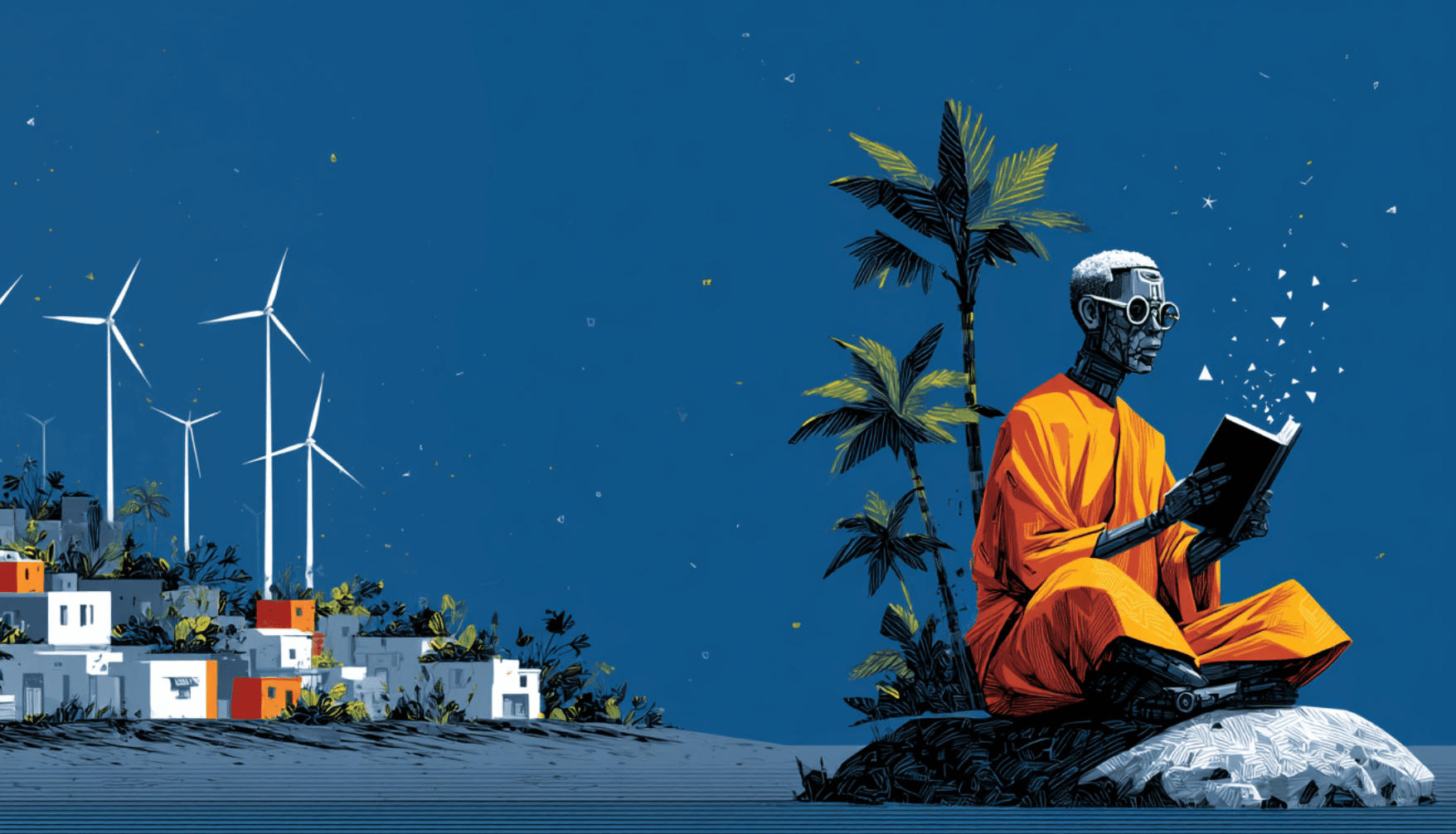
Six thousand years ago, communities at the Jubbah oasis watched northern Arabia turn uninhabitable. Centuries of drought emptied the landscape. They survived by digging shallow wells, capturing runoff, staying mobile between water sources. Southeast Arabian populations had no groundwater. They left for the coasts.
Last month, 961 people died in Indonesian floods. Nearly a million displaced. The problem inverts—too much water instead of none—but the pattern holds. Jubbah's survivors built infrastructure that worked with environmental constraints before crisis forced their hand. Sumatra lost the rainforest that once absorbed extreme rainfall. Now communities face the same vulnerability as ancient populations without wells: infrastructure choices made too late or not at all.
Historical Climate Insights
Political Power Shaped Agricultural Sustainability More Than Climate
Farmers with autonomy adapted; those controlled by empires got forced into practices they knew wouldn't work.
We obsess over technology and resources while ignoring whether power structures actually let people adapt flexibly.
Historical Climate Insights
Archaeology Can Bridge Climate Models and Human Behavior
Completed society-environment interactions reveal patterns that models treating culture as black boxes miss entirely.
Understanding how environmental geography shaped demographic responses could actually improve predictions of human adaptation patterns.
Historical Climate Insights
Climate Change Destroys Archaeological Evidence of Past Adaptation
Climate changes we need historical context to navigate are erasing the archaeological record of how societies adapted.
Wetland archaeological sites store carbon; when disturbed or dried they release greenhouse gases, making preservation climate strategy.
Historical Climate Insights
Urban Inequality Predicted Climate Vulnerability Across Five Millennia
PNAS study examined skeleton data from populations across fourteen countries spanning America to Vietnam over five thousand years.
Flexibility and equity predicted survival better than technology or resources; large vulnerable populations undermined entire societies under environmental stress.
Past Articles
May 29, 1346. Philip VI of France issues an ordinance requiring his kingdom's forests to sustain themselves perpetu...

In 256 BC, the Minjiang River flooded the Chengdu Plain for the thousandth summer running. Li Bing, new governor of...

In the early 1950s, Minamata fishermen's hands went numb while hauling nets, dropped things without warning. Their ...
The man offered fifty cents an acre for rocks you couldn't see and couldn't use. Your corn was bringing thirty cents...