
South Carolina Coast, April 2039
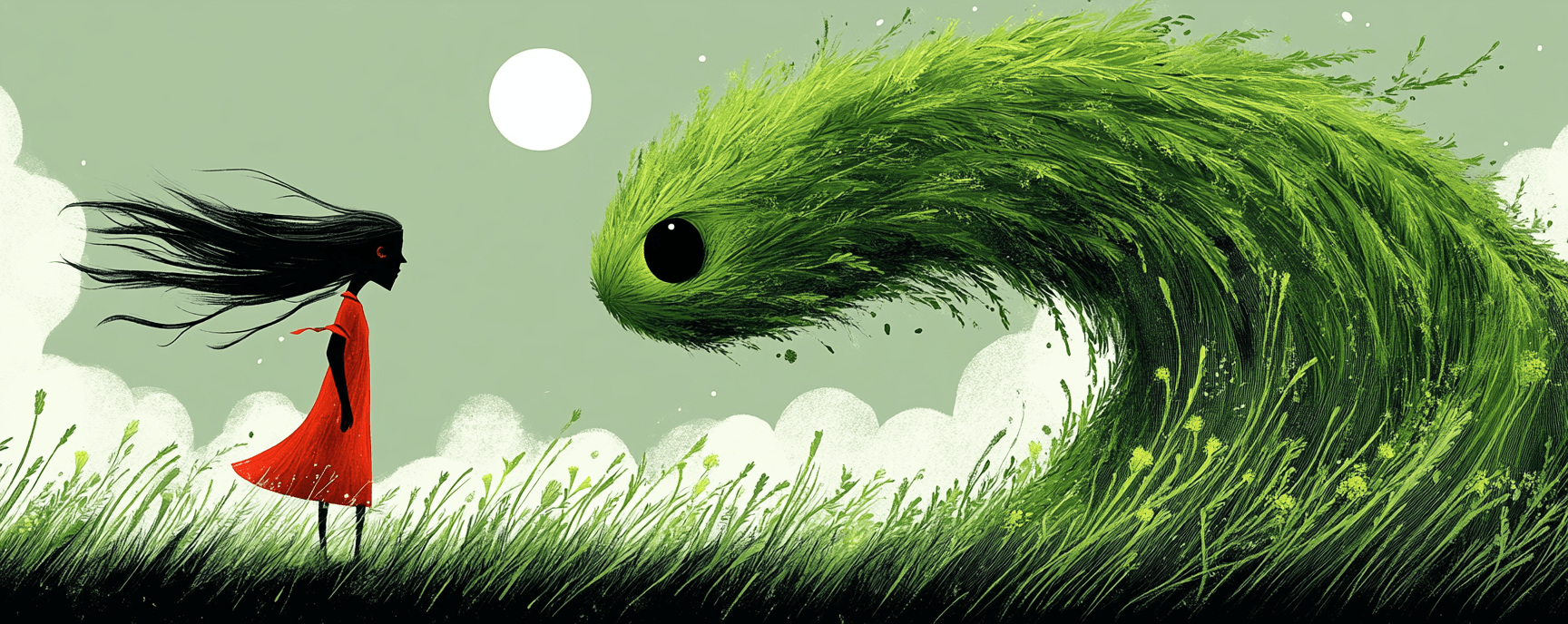
The cordgrass stands knee-high in water that used to be high marsh. I wade through at dawn, my granddaughter following, testing each step in the soft mud. Tide coming in—I can feel it pushing against my legs, the current strengthening.
"Here," I say, stopping at the shell mound. Oyster shells break the surface by maybe six inches now, less than last year. Smooth cordgrass grows between the shells where salt hay used to crown this place. My granddaughter kneels in the water beside me, reaching for the offerings: tobacco bundled in red fabric, cornmeal mixed with marsh water, sweetgrass braided last week.
"The sweetgrass doesn't grow here anymore," she says.
"We bring it from inland now. The ceremony requires it."
I show her how to hold the tobacco bundle, how to speak the words my grandmother taught me while placing it at the base of the shell mound. The words are old—older than English, though we speak them in English now because that's what we have left. They name this place: the shell mound, the needlerush that used to grow here, the oysters that built this mound over centuries, the spring tide that brings us here each year.
She repeats the words carefully, her pronunciation uncertain on the old plant names. Needlerush. Salt hay. Marsh elder. Species that don't grow here anymore, or grow only in scattered patches. These are the names the ceremony requires, the names that connect us to the people who stood here before the water rose.
A great egret hunts in the shallows thirty feet away. I point to it without speaking. My granddaughter watches the bird's stillness, its sudden strike, the fish disappearing down its throat.
"Why do we come here?" she asks. "When everything's changed?"
I place the cornmeal offering at the water's edge. Tide is ankle-deep now, climbing. By the time we finish, the shell mound will be an island. By next spring, it might not break the surface at all.
"This place. Where your great-great-grandmother's grandmother placed shells. Where the people before her placed shells. Where we've spoken these words for longer than we can count."
I show her where to stand, how to face the rising sun, how to hold her hands while speaking the final words. Water at our knees. Cordgrass bends in the current. Behind us, the mainland is a dark line of dying pines, their roots poisoned by salt.
"What if the shell mound goes underwater?" she asks.
"Then we'll know where it is. We'll remember. We'll stand here in deeper water and speak the words."
Tide pushes against us, insistent. I can feel the current trying to move me off balance, the soft mud releasing beneath my boots. The marsh is less stable than it was, the peat decomposing faster than the cordgrass can build it up. Still here, though. Still breathing with the tide. Still home to the egret, the rail, the terrapin I saw yesterday basking on a log.
"Some people do the ceremony inland now," she says. "Where the wetlands still look like they used to."
"I know."
"Why don't we?"
I kneel in the water beside the shell mound, my hands on the shells my ancestors placed here. Rough under my fingers, barnacles growing on them, the oysters long dead but their architecture still holding.
Water at our thighs now. We need to wade back soon or we'll be swimming. My granddaughter places her hand on the shell mound beside mine, feeling the shells, the barnacles, the weight of generations.
"Will you bring your children here?" I ask.
She doesn't answer right away. The egret lifts off, its wings catching the morning light. Cordgrass bends and straightens with the current. Tide climbs.
"I don't know," she says finally. "Maybe it won't be here."
"Maybe. Maybe you'll know where it was, though. You'll remember the words. You'll decide what that means."
We wade back through water that's noticeably deeper than when we arrived. My granddaughter moves carefully, feeling for solid footing, learning to read the marsh through her feet. Behind us, the shell mound disappears beneath the rising tide. In six hours, it will emerge again.
Today, we were here. We spoke the old words over the changing water.
Cordgrass parts as we pass. Tide pushes at our backs. And the shell mound, invisible now beneath the water, holds its position against the current, the way it has for centuries, the way it might for a few more years, or might not.